
Anxiety often lives in the body, showing up as tension, restlessness, shallow breathing, and constant nervous energy. Somatic exercises for anxiety relief focus on gentle movements and awareness to calm the nervous system. Instead of overthinking emotions, these practices help you feel safer by reconnecting mind and body. They are simple, accessible, and effective for daily stress, panic symptoms, and long-term emotional regulation. In this guide, you will learn practical somatic exercises for anxiety relief and inner balance. Let’s dive in.
What Are Somatic Exercises?
Somatic exercises are gentle, body-based practices that focus on internal sensations rather than performance or intensity. They help you notice how your body feels in the present moment.
Instead of forcing movement, somatic work encourages slow, intentional actions guided by awareness. This approach supports the nervous system by reducing chronic muscle tension and stress patterns.
For anxiety relief, somatic exercises work by calming the fight-or-flight response stored in the body. They improve communication between the brain and muscles through mindful movement and breath.
Over time, this helps the body feel safer and more regulated. Somatic exercises are accessible to most people and require no special equipment. They can be practiced at home, seated, or lying down, making them easy to include in daily life.
How Somatic Exercises Help Anxiety Relief

Somatic exercises calm anxiety by working with the body, helping the nervous system feel safer, steadier, and more regulated daily.
Regulates the Nervous System
They regulate the nervous system by shifting the body out of fight-or-flight mode. Slow movement and breath send safety signals to the brain. This activates the parasympathetic response, lowering heart rate, easing muscle tension, and reducing alertness linked to anxiety.
Builds Body Awareness
Somatic exercises build body awareness, helping you notice early signs of anxiety. By sensing tightness, temperature, and breath changes, you can respond sooner. This awareness prevents stress from escalating and supports calmer choices during anxious moments throughout daily life routines.
Releases Stored Tension
They release stored muscle tension created by chronic stress. Gentle, repetitive movements allow tight areas to soften naturally. As the body relaxes, the mind often follows. This physical release reduces discomfort, restlessness, and the urge to stay constantly guarded inside.
Improves Breathing Patterns
Somatic practices improve breathing patterns linked to anxiety relief. Slow, mindful breaths deepen oxygen exchange and reduce shallow chest breathing. Better breathing supports emotional regulation and focus. Over time, this creates a baseline, making anxious reactions less intense and shorter.
Core Somatic Exercises for Anxiety Relief
Below are simple, body-based somatic exercises you can practice safely at home. Each exercise focuses on awareness, slow movement, and nervous system regulation.
Grounding Breath
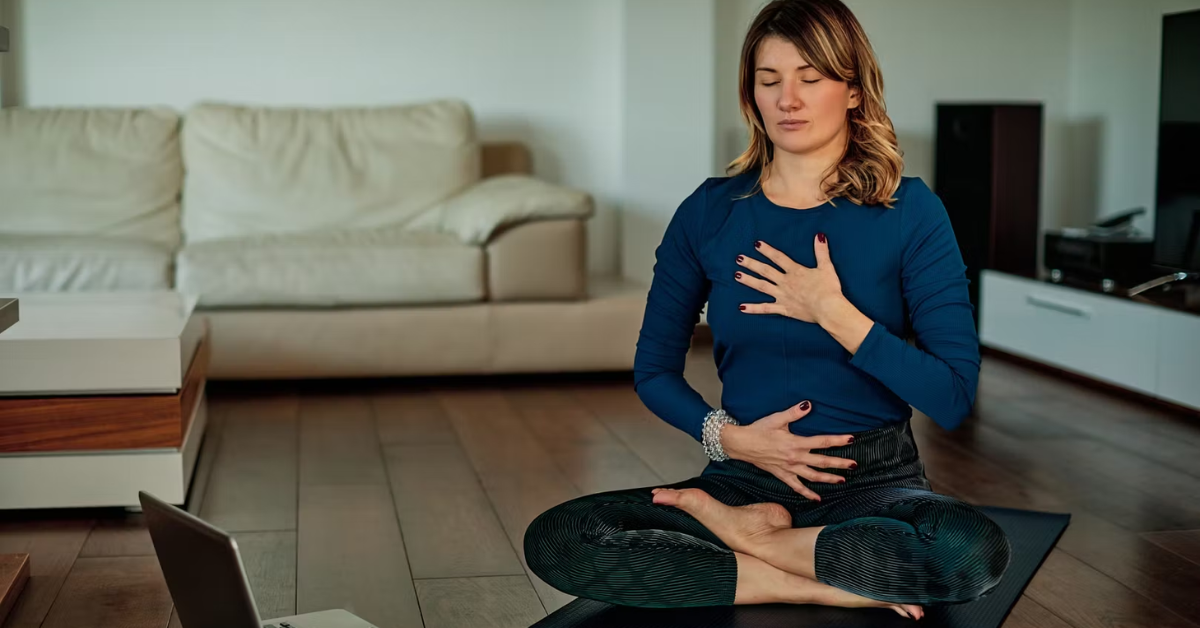
Grounding breath calms anxiety by slowing the nervous system and reducing stress signals. It helps shift the body out of fight-or-flight mode. This practice improves emotional stability, lowers physical tension, and creates a sense of safety during anxious moments.
Steps
- Sit or stand in a comfortable position
- Place one hand on your belly
- Inhale slowly through your nose
- Feel the belly rise naturally
- Exhale gently through your mouth
4-7-8 Breath

The 4-7-8 breath technique helps reduce anxiety by slowing the heart rate, calming the nervous system, and promoting relaxation. Regular practice improves sleep, emotional regulation, and overall stress resilience, making it a simple, accessible tool for daily anxiety management.
Steps
- Sit or lie comfortably with a straight spine
- Inhale quietly through the nose for 4 seconds
- Hold your breath for 7 seconds
- Exhale slowly through the mouth for 8 seconds
- Repeat for 4 cycles, gradually increasing as comfortable
Body Scan Awareness
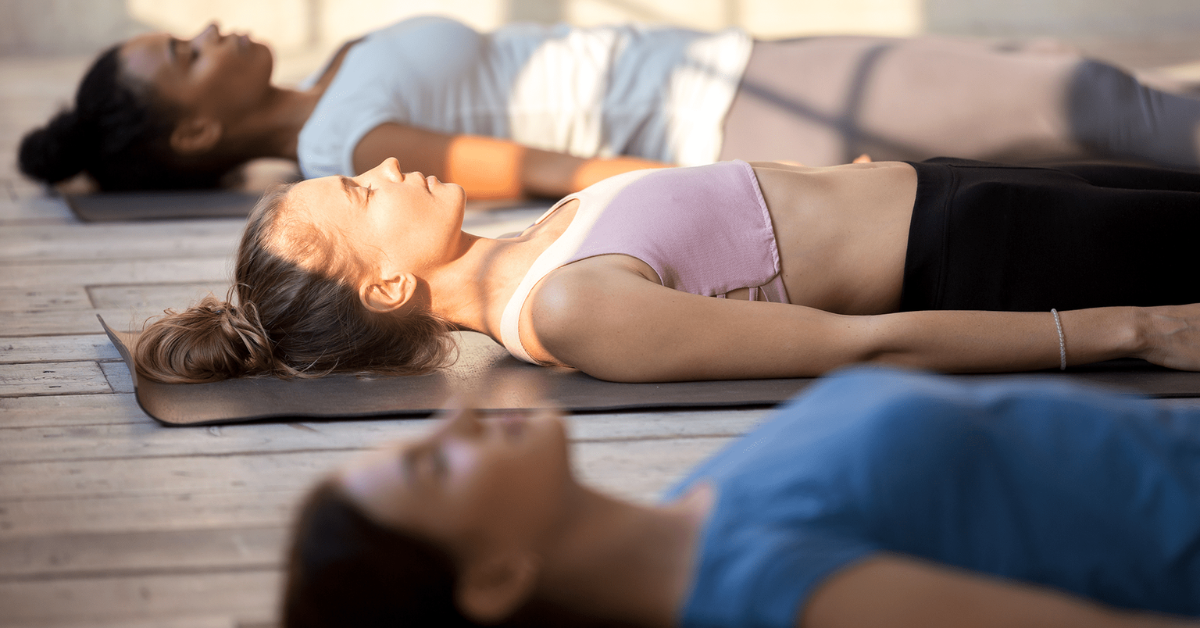
Body scan awareness reduces anxiety by helping you reconnect with physical sensations. It increases mindfulness and releases hidden tension. This exercise supports relaxation by encouraging the body to soften without force, making it easier to manage stress responses.
Steps
- Sit or lie down comfortably
- Close your eyes if safe
- Focus attention on your head
- Slowly move awareness downward
- Notice sensations without judgment
Butterfly Hug

The butterfly hug supports anxiety relief by providing rhythmic, grounding input. It helps regulate emotions and increase feelings of safety. This technique is especially useful during intense anxiety, emotional overload, or moments of panic.
Steps
- Cross arms over your chest
- Place hands on opposite shoulders
- Tap one side, then the other
- Maintain slow breathing
- Continue for one to two minutes
Walking Grounding Exercise

Walking grounding reduces anxiety by reconnecting you with the present moment. It shifts attention from racing thoughts to physical sensations. This movement-based practice improves nervous system balance, supports emotional stability, and creates a sense of safety through rhythmic motion.
Steps
- Walk slowly in a quiet space
- Feel your feet touch the ground
- Notice weight shifting with each step
- Match steps with natural breathing
- Continue for two to five minutes
How to Create a Daily Somatic Routine
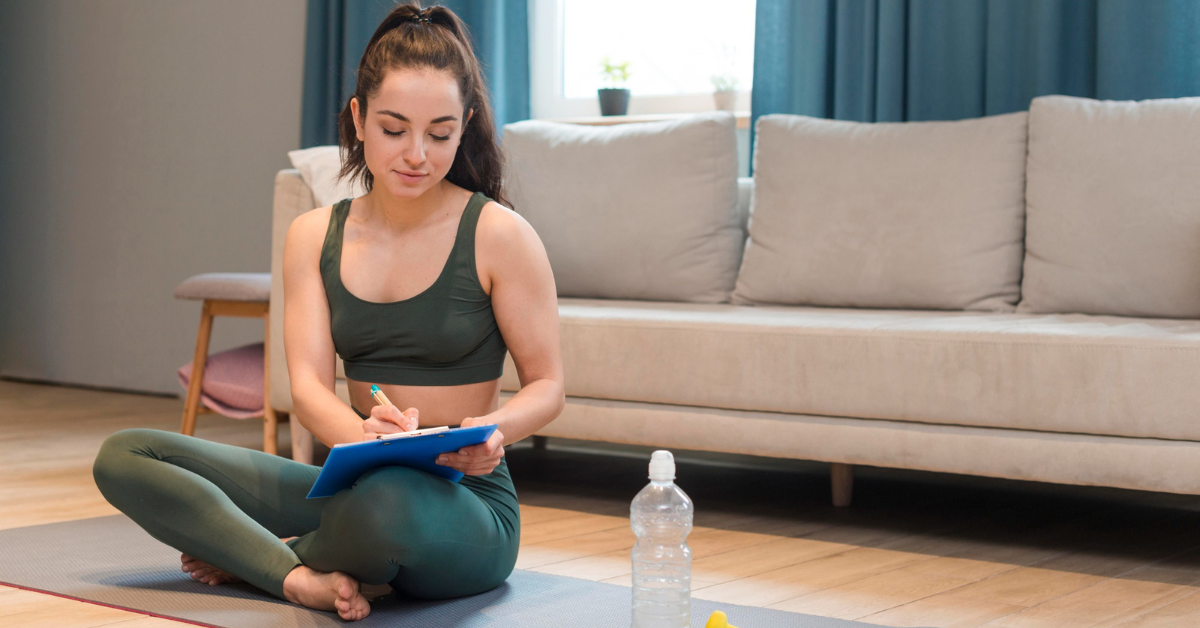
Creating a daily somatic routine helps anxiety relief become consistent and effective. Short, intentional practice supports nervous system regulation, reduces chronic tension, and improves emotional balance. Even five to ten minutes per day can make a noticeable difference.
Start Small and Simple
Begin with just two or three exercises daily. Keeping sessions short makes it easier to stay consistent. Small, manageable routines prevent overwhelm while still supporting nervous system regulation, helping your body gradually adapt to calmer, more mindful states.
Practice at the Same Time
Set a consistent time each day for your exercises. Regularity builds habit and signals your nervous system to anticipate calm moments. This consistency reinforces body awareness, reduces tension, and strengthens emotional regulation over time.
Focus on Mindful Movement and Breath
Pay full attention to physical sensations, posture, and breathing during exercises. Mindfulness enhances nervous system balance, improves tension release, and strengthens the mind-body connection, ensuring that each session effectively supports anxiety relief.
Listen to Your Body
Tune in to comfort and limits while practicing. Avoid pushing through pain or discomfort. Respecting body signals helps prevent injury, reduces stress, and encourages safer, more sustainable somatic practice that genuinely supports anxiety management.
Gradually Increase Duration or Add Exercises
As your body adapts, slowly extend session length or include additional exercises. This gradual approach maintains engagement, deepens nervous system benefits, and reinforces emotional resilience without causing overwhelm or frustration.
Track Your Progress
Keep a simple journal of exercises, duration, and how you feel afterward. Tracking helps recognize improvements, stay motivated, and identify exercises that work best, making your somatic routine more personalized and effective for anxiety relief.
Read More: Self Compassion Meditation for Anxiety Relief: A Complete Guide
Conclusion
Somatic exercises offer a gentle, effective way to manage anxiety by reconnecting mind and body. Regular practice releases tension, regulates the nervous system, and improves emotional balance. By incorporating even a few minutes daily, you can feel calmer, more grounded, and better equipped to handle stress in everyday life. Consistency is key for lasting relief.