
Restorative yoga is a gentle, therapeutic practice that encourages the body and mind to enter a state of deep relaxation and healing. It uses supported, long-held poses to activate the parasympathetic nervous system and reduce stress, anxiety, and chronic tension. Regular practice can help lower blood pressure, improve sleep quality, and support emotional balance.
Research shows restorative yoga may even benefit cognitive function and overall well-being in people recovering from illness or stress. In this article, we will discuss how restorative yoga supports healing, its benefits, and why it suits all experience levels. Let’s dive in.
What Is Restorative Yoga?
Restorative yoga is a slow, gentle practice focused on deep relaxation and healing rather than physical exertion. During a session, you hold a few poses for extended periods, often five to twenty minutes. Props like bolsters, blankets, and blocks fully support the body, allowing muscles to release tension.
This supported stillness helps activate the parasympathetic nervous system, the body’s “rest-and-digest” response. Research found that restorative yoga can reduce stress, lower heart rate, and improve sleep quality. Unlike active yoga styles, it emphasizes comfort, mindfulness, and letting go.
How Restorative Yoga Supports Healing
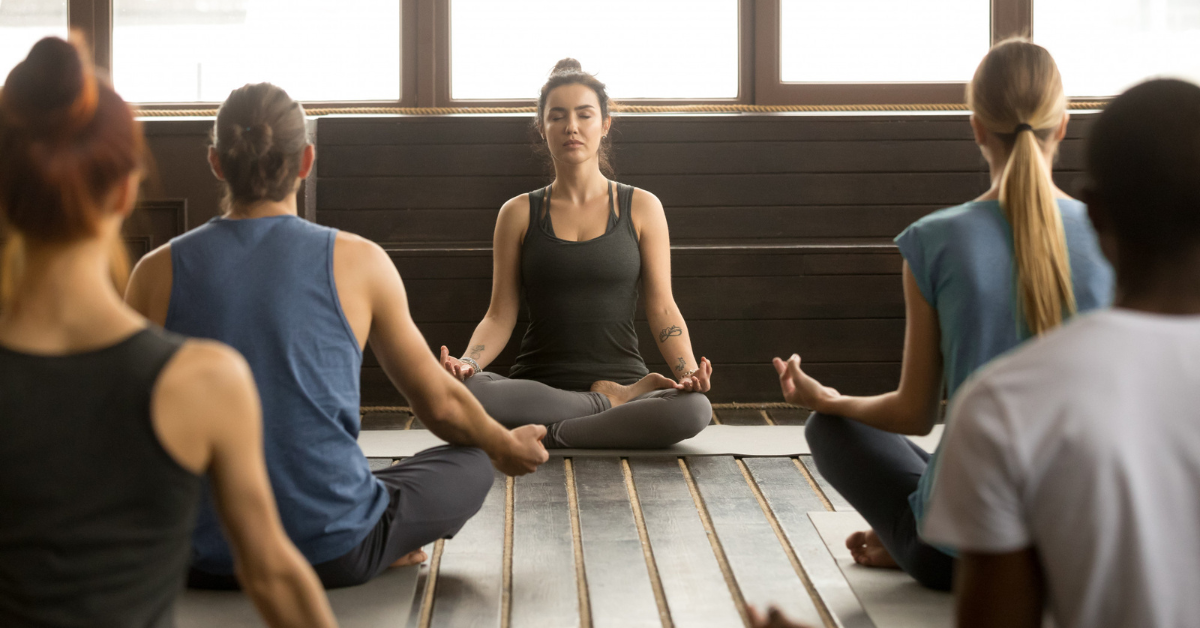
Restorative yoga supports healing by calming the nervous system, easing pain, and improving emotional balance.
Nervous System Regulation
Restorative yoga activates the parasympathetic nervous system, lowering stress responses and promoting relaxation. Long-held supported poses help reduce cortisol and slow breathing, which supports calmness and resilience. This can help the body recover from chronic stress and improve overall nervous system balance.
Physical Recovery & Pain Relief
This practice reduces muscle tension and supports gentle recovery from injuries. By using props, restorative yoga allows the body to release tension while avoiding strain. It can also enhance flexibility, alleviate chronic pain, and promote healing after illness or physical stress.
Emotional Well-Being & Stress Relief
Restorative yoga creates space for emotional release and mindfulness. Holding gentle poses encourages awareness of the body and breath, helping reduce anxiety and emotional overload. This calming practice supports emotional healing, improved mood, and a more balanced mindset.
Key Benefits of Restorative Yoga
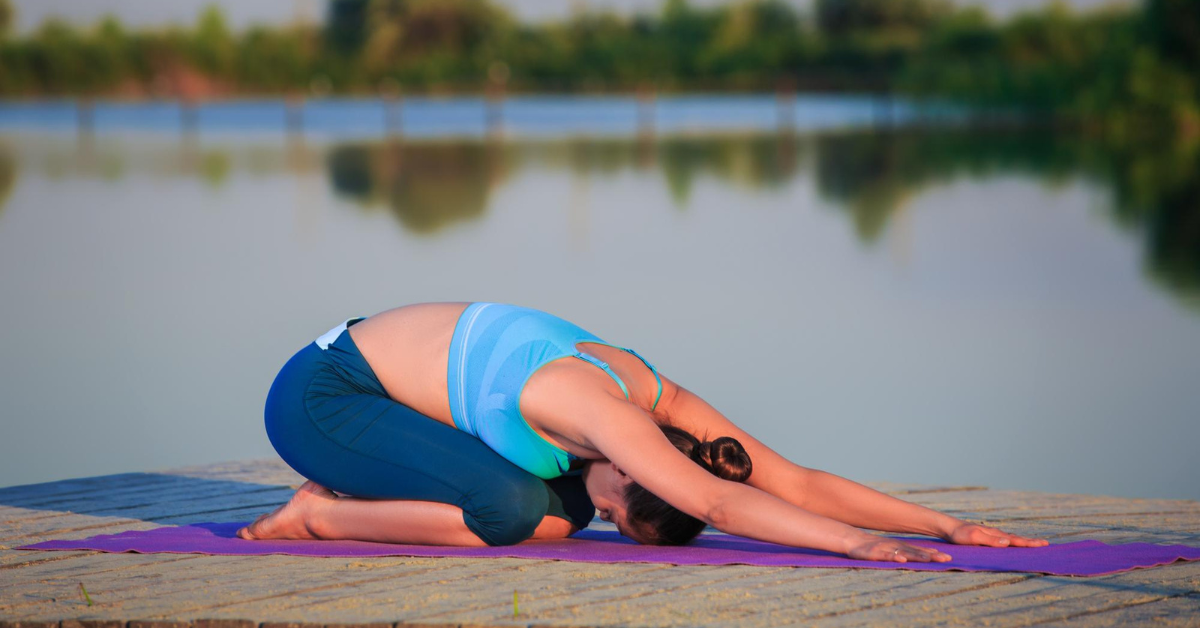
Restorative yoga offers deep relaxation, improved recovery, and emotional balance through gentle, supported practice. Here are some core benefits:
Deep Relaxation
Restorative yoga encourages the body to fully let go, calming both mind and muscles through supported stillness. Holding poses for several minutes activates the body’s natural relaxation response, reducing stress and fatigue. Over time, this deep rest can improve mental clarity, lower tension, and create a lasting sense of inner peace and calm.
Improved Sleep Quality
Restorative yoga helps improve sleep by calming the nervous system and lowering stress hormones. Gentle stretching, slow breathing, and supported poses prepare the body for rest, making it easier to fall asleep and stay asleep. Regular practice can support deeper, more peaceful sleep and help reduce insomnia or restless nights.
Flexibility without Strain
Restorative yoga improves flexibility gradually, without pushing or forcing the body into deep stretches. The use of props supports joints and muscles, allowing gentle movement and release over time. This makes the practice safe for beginners and people recovering from injury. It helps increase the range of motion while preventing strain or discomfort.
Enhanced Mind-Body Connection
Restorative yoga strengthens awareness of the body, breath, and emotions through quiet, mindful practice. Long holds create space to notice tension, observe thoughts, and practice self-compassion. This builds emotional resilience, supports stress management, and improves overall mental balance. Over time, it promotes a deeper sense of self-awareness and healing.
Common Healing Poses to Try
Here are some common healing poses you should try:
Supported Child’s Pose
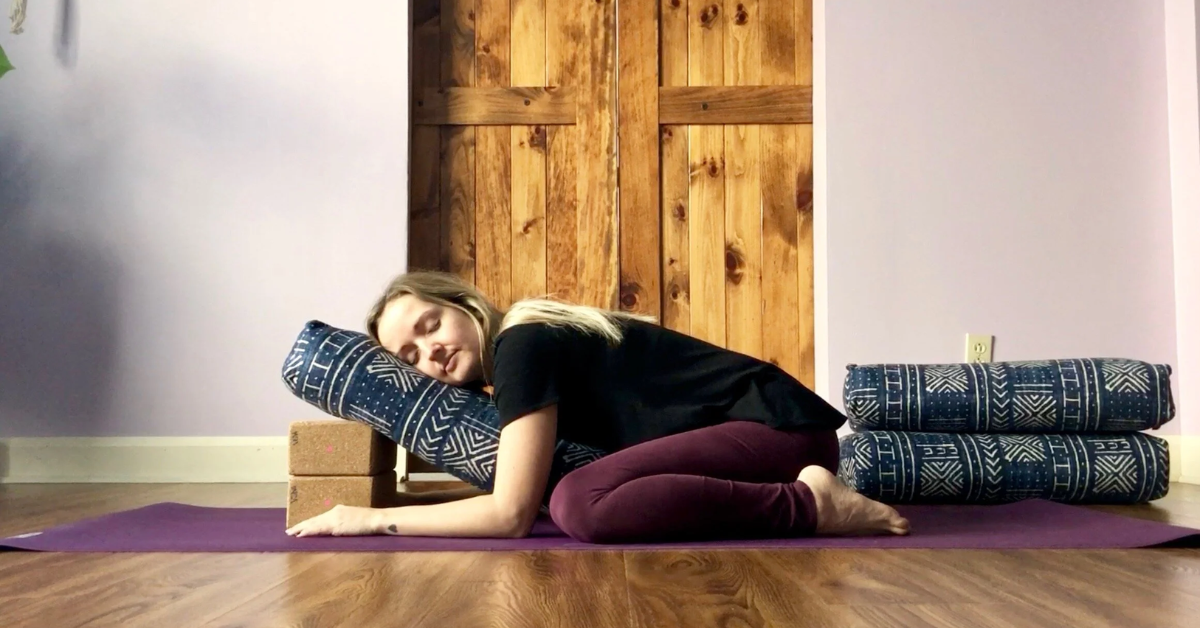
Supported Child’s Pose releases lower back tension and promotes deep relaxation. It helps calm the mind and relieve stress by encouraging slow breathing and full body support.
Steps to do the pose:
- Kneel on the mat with knees wide and toes touching.
- Place a bolster or pillow between your legs.
- Lower your torso forward, resting your chest on the support.
- Rest your forehead on a blanket or block.
- Relax your arms beside you or extended forward.
- Hold for 5–10 minutes, breathing slowly.
Legs-Up-the-Wall Pose (Viparita Karani)
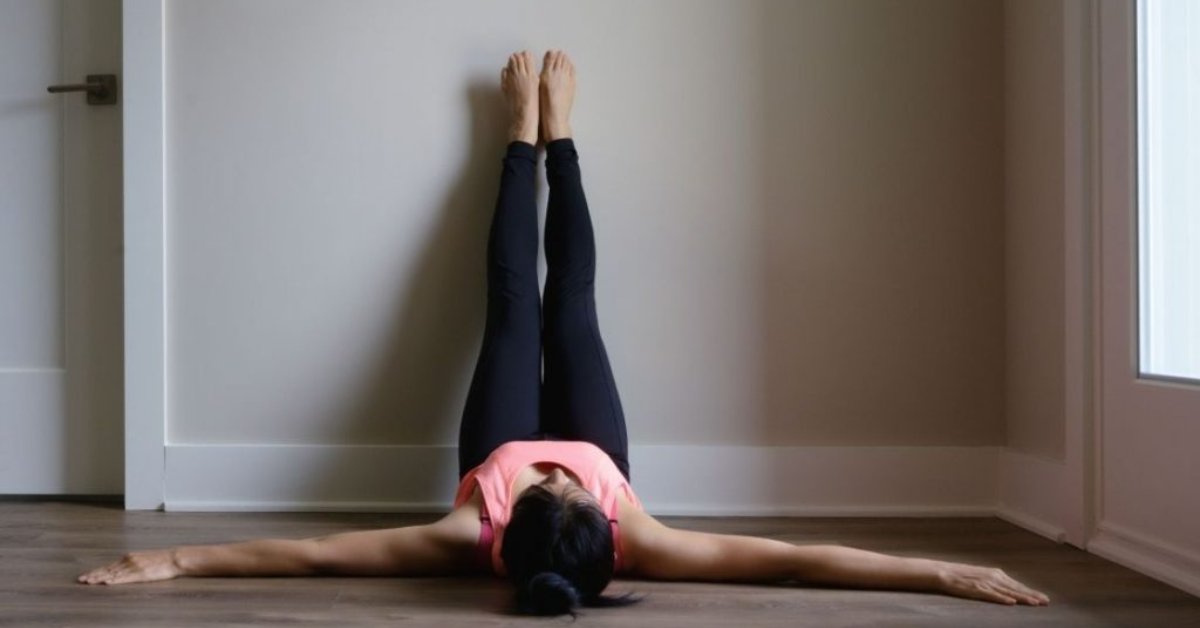
Legs-Up-the-Wall helps reduce leg fatigue, swelling, and stress while promoting relaxation. It supports circulation and eases nervous system tension, making it ideal after long standing or emotional overload.
Steps to do the pose:
- Sit sideways near a wall.
- Lie back and gently lift your legs up the wall.
- Scoot your hips closer to the wall for comfort.
- Place a folded blanket under your hips if needed.
- Rest your arms beside you, palms facing up.
- Stay for 5–15 minutes, breathing slowly.
Reclining Bound Angle Pose
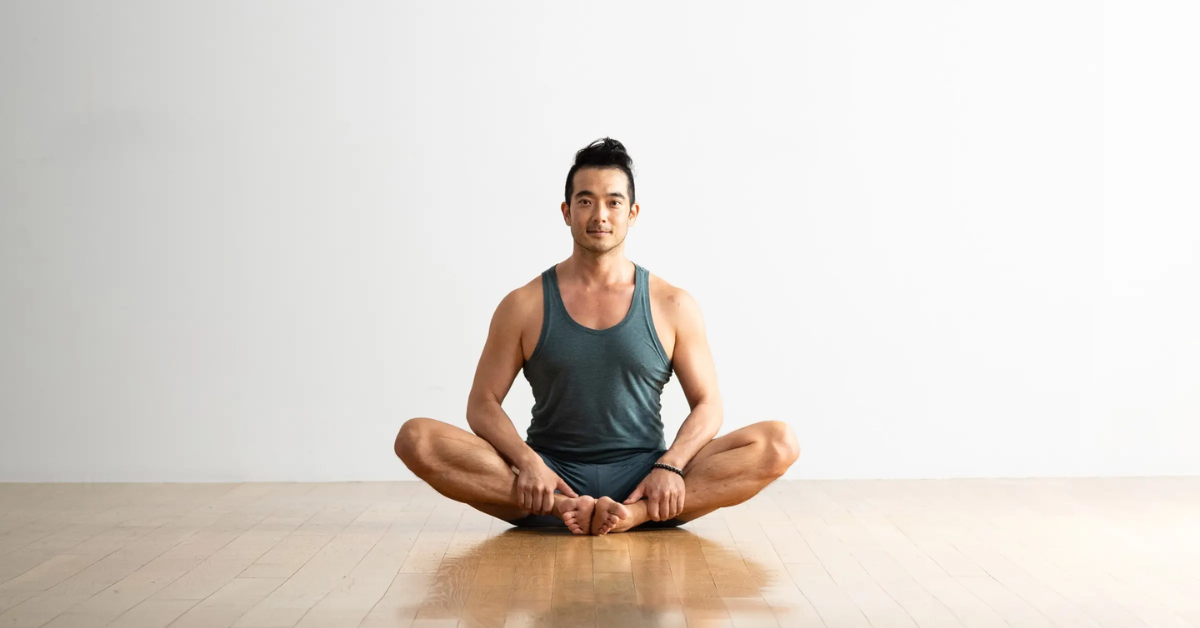
Reclining Bound Angle opens hips, releases tension, and promotes calm energy flow. Support under the knees, it encourages deep relaxation and gentle release in the lower body.
Steps to do the pose:
- Lie on your back and bring the soles of your feet together.
- Let your knees drop outward to the sides.
- Place bolsters or pillows under each knee for support.
- Relax your arms beside your body, palms facing up.
- Soften your jaw and face muscles.
- Hold for 5–10 minutes, breathing deeply.
Supported Savasana
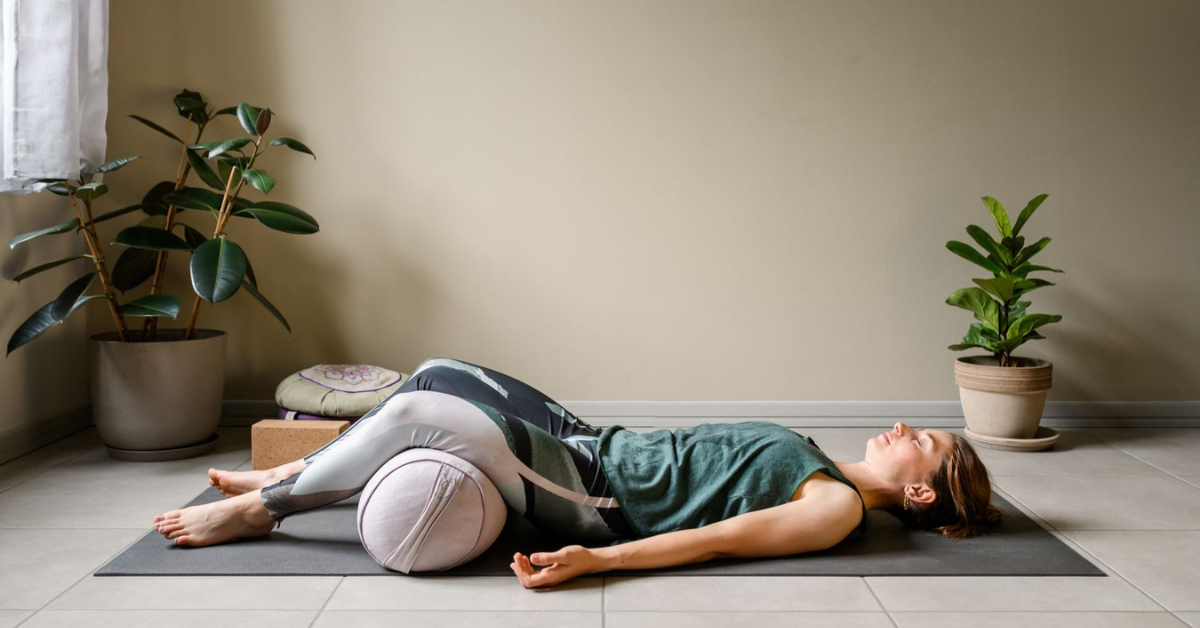
Supported Savasana is the deepest restorative pose for full body rest and healing. It helps reduce stress, calm the nervous system, and support mental clarity through total relaxation.
Steps to do the pose:
- Lie on your back with legs extended.
- Place a bolster or pillow under your knees.
- Use a folded blanket under your head if needed.
- Let your arms rest beside your body, palms facing up.
- Close your eyes and release all tension.
- Stay for 10–20 minutes, focusing on slow breathing.
Tips for a Healing Practice
Restorative yoga supports healing best when practiced with intention, comfort, and consistency. A calm environment and proper support help the body fully relax, while mindful breathing encourages nervous system balance. Use props safely, listen to your body, and start with shorter sessions to build a steady healing routine.
Helpful Tips
- Create a calm space: dim lights, reduce noise, and remove distractions.
- Use props for support: bolsters, blankets, blocks, and straps prevent strain.
- Breathe slowly and deeply: inhale through the nose, exhale fully, and focus on breath.
- Move gently between poses: avoid rushing or forcing transitions.
- Start with short sessions: begin with 10–15 minutes, then gradually increase.
- Practice regularly: consistency supports long-term healing and emotional balance.
- Listen to your body: adjust props or stop if you feel discomfort.
Who Can Benefit Most
Restorative yoga is suitable for almost everyone because it focuses on gentle support, not intensity. It is especially helpful for beginners seeking a slow, calming introduction to yoga. People recovering from illness or injury can use restorative poses to release tension without strain.
Those dealing with stress, anxiety, or emotional overload may find it calming and grounding. Older adults or people with limited mobility can safely practice restorative yoga with props. Anyone seeking a deeper sense of peace and healing can benefit from this gentle practice.
Recommended Relaxation Republic Products for Yoga & Healing
Exploring the right tools can elevate your restorative yoga practice and overall calm. Relaxation Republic curates trusted wellness products designed to support comfort and relaxation — perfect for yoga sessions and healing routines.
Eco-Friendly Yoga Mat
The PROIRON Yoga Mat offers excellent cushioning and grip for restorative and gentle yoga. It’s made from non-toxic, eco-friendly NBR material with alignment lines to help maintain proper posture and balance during practice.
Aromatherapy Diffusers
Products like the Earnest Living Essential Oil Diffuser and SALKING 2-in-1 Himalayan Salt Diffuser create a soothing, aromatic atmosphere that enhances relaxation before, during, or after yoga. These devices disperse calming mist and scents to support stress relief.
Aromatherapy & Essential Oils
Fragrance oil sets like MitFlor Premium Fruity Oils can be used with diffusers to infuse your yoga space with gentle, mood-boosting scents. These oils are crafted to support relaxation and a peaceful mindset.
Weighted Comfort & Atmosphere Products
Relaxation Republic also features calming home items like weighted blankets and ambient devices. While not yoga props, these can help you relax deeply before or after practice, supporting better rest and recovery.
Conclusion
Restorative yoga offers gentle, supportive healing for the body, mind, and emotions. By using props, slow breathing, and mindful stillness, you can reduce stress, improve sleep, and release tension safely. Whether you’re recovering from illness or seeking calm, restorative practice can bring lasting balance. Start small, stay consistent, and let your body guide the healing.