
Feeling tense, restless, or overwhelmed can signal your nervous system is overstimulated. When stress hits, your body shifts into survival mode. Your heart rate rises, breathing shortens, and calm feels out of reach. In this article, we will explore how to calm nervous system quickly using simple, proven techniques. Deep breathing, grounding, and gentle movement can quiet your stress response within minutes. Let’s dive in.
What Happens When Your Nervous System Is Overactive
When your nervous system becomes overactive, your body is constantly alert. The stress response triggers the release of hormones like cortisol and adrenaline. Your heart beats faster, breathing becomes shallow, and muscles tense without you realizing it.
This reaction is your body’s natural way to protect you from danger. However, staying in this state for too long can lead to exhaustion and anxiety. Your body needs help activating the calming nervous system to feel balanced again.
How to Calm Nervous System Quickly
Below are the most effective and practical ways to calm nervous system quickly. Each method takes only a few minutes and helps your body shift from stress to relaxation. You can practice one technique or combine several for stronger results. These steps work anywhere — at home, work, or even on the go.
1. Practice Deep Diaphragmatic Breathing
Deep diaphragmatic breathing helps slow your heart rate, steady your breath, and activate your body’s relaxation response. It’s one of the quickest ways to calm your nervous system naturally. Breathing deeply from your belly sends safety signals to your brain and reduces physical tension caused by stress or anxiety.
Steps to Do It:
- Sit or lie down comfortably and relax your shoulders.
- Place one hand on your chest and the other on your belly.
- Inhale slowly through your nose, letting your belly rise.
- Exhale gently through your mouth as your belly falls.
- Repeat for one to two minutes, focusing on each slow breath.
2. Try the Box Breathing Technique
Box breathing, also called square breathing, is a structured breathing method that calms your mind and body within minutes. It balances oxygen and carbon dioxide levels in your blood, helping restore focus and relaxation. Athletes, military personnel, and therapists often use this technique to reduce stress fast.
Steps to Do It:
- Inhale slowly through your nose for a count of four.
- Hold your breath gently for four counts.
- Exhale through your mouth for four counts.
- Pause again for four counts before the next breath.
- Repeat the full cycle four to six times for quick calm.
3. Use the 4-7-8 Breathing Method
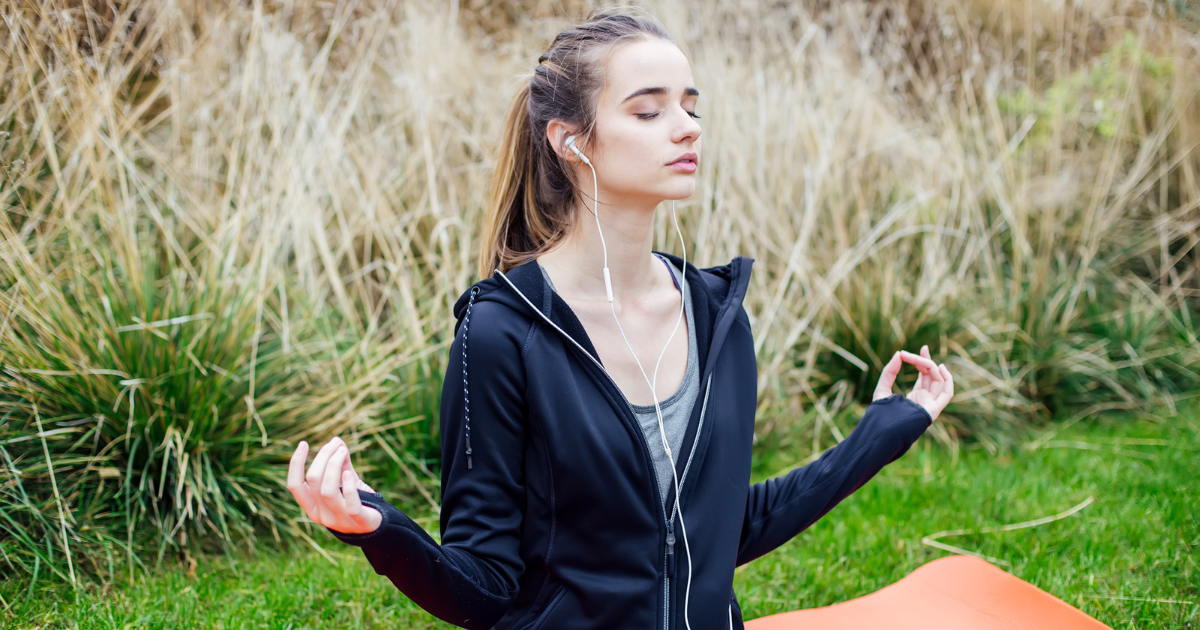
The 4-7-8 breathing technique encourages slow, rhythmic breathing that activates your parasympathetic nervous system. This pattern lowers stress and anxiety and prepares your body for rest. It’s ideal before sleep or anytime you feel tense. The long exhale helps release trapped stress energy from your system.
Steps to Do It:
- Sit or lie down in a quiet place.
- Inhale gently through your nose for four seconds.
- Hold your breath for seven seconds.
- Exhale slowly through your mouth for eight seconds.
- Repeat this breathing cycle three to four times.
4. Practice the 5-4-3-2-1 Grounding Technique
The 5-4-3-2-1 grounding technique returns your focus to the present moment and helps stop racing thoughts. It works by engaging your senses to remind your brain that you are safe. This simple exercise can quickly calm the nervous system, especially during anxiety or overwhelm.
Steps to Do It:
- Identify five things you can see around you.
- Notice four things you can touch or feel.
- Listen for three things you can hear.
- Focus on two things you can smell.
- End by noticing one thing you can taste or one deep breath.
5. Try a Quick Cold Water Splash
Cold exposure activates the vagus nerve, which tells your body to relax. A splash of cold water on your face or neck can reset your nervous system instantly. This method works because the body associates sudden cold with the “dive reflex,” lowering heart rate and calming stress signals.
Steps to Do It:
- Go to a sink or use a clean bowl of cool water.
- Splash cold water on your face, especially the forehead and cheeks.
- You can also press a cool compress against your skin.
- Breathe slowly while feeling the cooling effect.
- Continue for about 30–60 seconds until you feel calmer.
6. Do Gentle Movement or Stretching
Gentle movement releases built-up tension and encourages your body to shift from “fight or flight” into relaxation. When you move slowly and intentionally, your brain registers safety and stability. Walking, stretching, or shaking your arms can quickly help reset your nervous system.
Steps to Do It:
- Stand up and roll your shoulders backward and forward.
- Stretch your arms above your head and take a deep breath.
- Rotate your neck slowly side to side.
- Walk slowly for a few minutes while breathing evenly.
- Focus on how your body feels during movement.
7. Hum, Sing, or Gargle
Humming, singing, and gargling stimulate the vagus nerve through vibration in the throat. This gentle stimulation triggers relaxation signals and helps quiet an overactive stress response. These actions are easy to do anywhere and often bring immediate calm to the body and mind.
Steps to Do It:
- Take a deep breath in through your nose.
- Hum softly as you exhale, noticing the vibration in your throat.
- Try singing your favorite calming song or tune.
- Alternatively, gargle water for 20–30 seconds.
- Repeat until you notice a sense of relaxation.
8. Use Self-Soothing Touch or a Weighted Blanket
Physical touch releases oxytocin, a hormone linked to safety and relaxation. Wrapping yourself in a weighted blanket or giving yourself a gentle hug can lower anxiety and slow your heartbeat. This method helps the nervous system feel supported and grounded.
Steps to Do It:
- Sit or lie in a comfortable position.
- Wrap a blanket or shawl around your shoulders.
- Cross your arms and give yourself a light squeeze.
- Hold for a few deep breaths, focusing on warmth and pressure.
- Stay in this position until your body feels calmer.
9. Visualize a Calm Place or Use Soothing Imagery

Visualization helps calm your nervous system by redirecting attention from stress to safety. When you imagine a peaceful scene, your brain responds as if you’re there. This activates your body’s relaxation response, slows breathing, and eases tension. It’s an effective way to reset your emotional state and restore balance quickly.
Steps to Do It:
- Find a quiet space where you won’t be disturbed.
- Close your eyes and take two slow, deep breaths.
- Picture a peaceful place like a beach, forest, or garden.
- Engage your senses: imagine the sounds, colors, and gentle breeze.
- Stay in the scene for one to three minutes, breathing deeply.
- When ready, slowly open your eyes and notice your calmer state.
10. Combine Two Techniques for a Faster Reset
Combining calming methods strengthens your body’s relaxation response and brings quicker results. When you pair techniques, such as breathing and grounding, you engage multiple senses and systems at once. This creates a stronger shift from stress to calm. Blending simple actions helps your nervous system recover faster and enhances emotional regulation.
Steps to Do It:
- Choose two calming methods that feel comfortable to you.
- Start with slow, deep breathing to center your body.
- Add grounding by focusing on what you can see or feel around you.
- Alternatively, try humming while stretching or walking slowly.
- Practice for two to five minutes until you feel your body relax.
- Adjust combinations to discover what works best for you.
When to Use These Quick Calming Techniques
These techniques are ideal for quick nervous system regulation when stress or tension spikes. Use them as stress relief tips before meetings, presentations, exams, or challenging conversations to help regain focus.
They also work after arguments or overwhelming tasks to calm your body and mind. Practicing regularly strengthens your nervous system, making future stress easier to handle. Combining techniques often provides the fastest, most effective way to achieve a calm body and mind.
How Can Relaxation Products Help Calm the Nervous System
Relaxation products can support nervous system regulation by providing comfort, sensory input, and cues for safety. They work best with active techniques like breathing, grounding, or gentle movement. These products help reduce stress, lower heart rate, and quickly promote a calm body and mind.
- Weighted blankets: Wrap yourself in a blanket to provide gentle, deep pressure for 2–5 minutes.
- Aromatherapy: Use calming essential oils such as lavender or chamomile in a diffuser or on a cloth.
- Meditation apps or guided audio: Listen for 5–10 minutes while focusing on your breath.
- Herbal teas: Sip chamomile, lemon balm, or other calming teas to trigger relaxation cues.
- Fidget tools or stress balls: Use tactile objects to release tension and redirect nervous system attention.
Combine these products with deep breathing or grounding exercises for faster, more noticeable results. Visit our relaxation essential store to find the best relaxation products designed to calm your nervous system quickly and naturally.
Read More: 8 Calming Drinks You Can Make at Home
Conclusion
Calming your nervous system quickly is possible with simple techniques like breathing, grounding, and gentle movement. Relaxation products can enhance these effects, while consistent long-term habits build lasting resilience. Practice these methods regularly to reduce stress, restore balance, and enjoy a calmer body and mind. Start today and feel the difference in minutes.