
Life can feel overwhelming with constant stress, pressure, and unexpected challenges. Finding inner peace is essential for emotional balance. Learning how to be calm in life allows you to respond thoughtfully instead of reacting impulsively. Developing patience helps you handle daily frustrations with ease.
Additionally, knowing ways to calm down anxiety can reduce tension and improve overall well-being. In this article, we will explore practical strategies for cultivating calmness, building patience, and managing anxiety effectively in everyday life.
Why Learning How to Be Calm in Life Matters
Life often feels stressful and chaotic, making it hard to stay grounded. Here’s why learning how to calm down in life matters:
- Understanding how to be calm in life helps maintain emotional stability daily.
- Staying calm allows clearer thinking and better decision-making under pressure.
- Calmness reduces physical stress symptoms, such as high blood pressure and tension headaches.
- Practicing calmness improves mental focus, creativity, and problem-solving skills.
- Consistent calmness makes daily challenges feel less overwhelming.
- Being calm strengthens relationships and enhances communication.
- Developing this skill builds long-term well-being and resilience in all aspects of life.
Effective Ways to Be Patient and Calm in Life
Developing how to be patient and calm in life improves emotional control, reduces stress, and promotes thoughtful decision-making daily.
Mindfulness Meditation
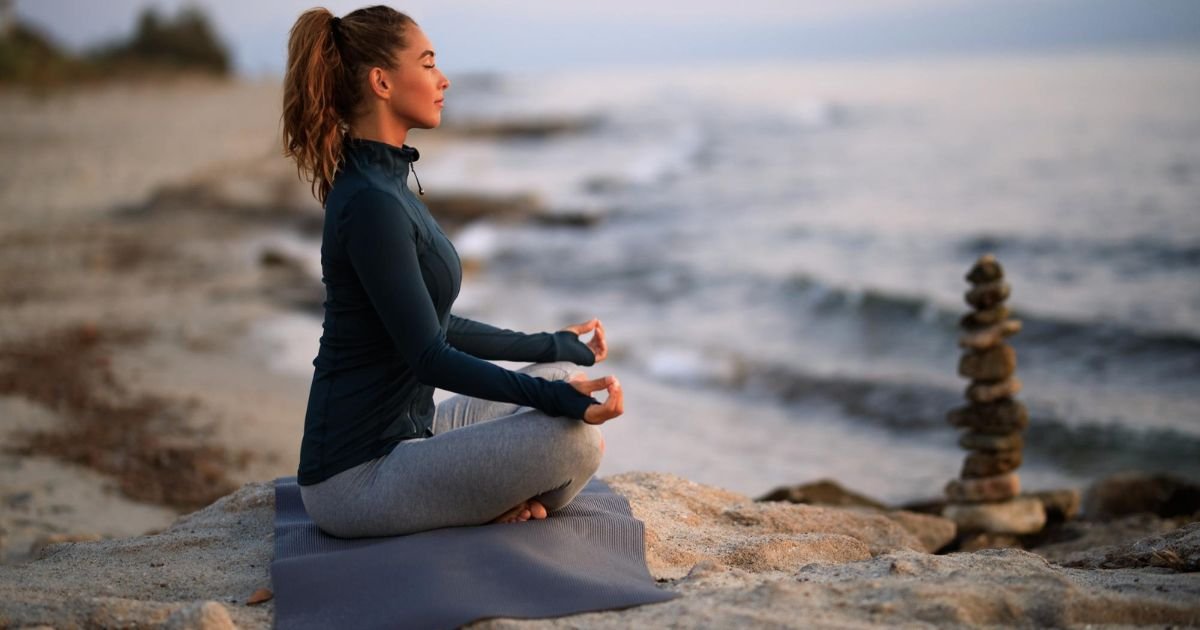
- Focus on your breath or surroundings to stay present.
- Meditation reduces reactive thoughts and increases emotional awareness.
- Practicing regularly builds patience and strengthens mental resilience.
Deep Breathing Exercises
- Controlled breathing slows your heart rate and relaxes tense muscles.
- Techniques like diaphragmatic breathing activate the body’s natural relaxation response.
- Daily practice lowers stress and improves overall calmness.
Progressive Muscle Relaxation
- Tense and release each muscle group to relieve physical tension.
- This technique reduces anxiety and promotes mental relaxation.
- Incorporating it regularly strengthens emotional stability.
Regular Physical Activity
- Exercise releases endorphins, improving mood and reducing stress.
- Walking, yoga, or light workouts support both mind and body.
- Consistency helps maintain long-term calmness and patience.
Reframing Thoughts
- Challenge negative thoughts and replace them with positive alternatives.
- This reduces frustration and fosters a calmer mindset.
- Mental reframing builds patience and emotional resilience.
Setting Realistic Expectations
- Keep goals achievable to avoid unnecessary stress.
- Accept your limitations and those of others to prevent frustration.
- Realistic planning encourages patience and emotional balance.
Embracing Imperfection
- Accept mistakes as part of growth, not failure.
- Let go of perfectionism to reduce tension and anxiety.
- Cultivating acceptance improves emotional calmness over time.
Practical Ways to Calm Down Anxiety
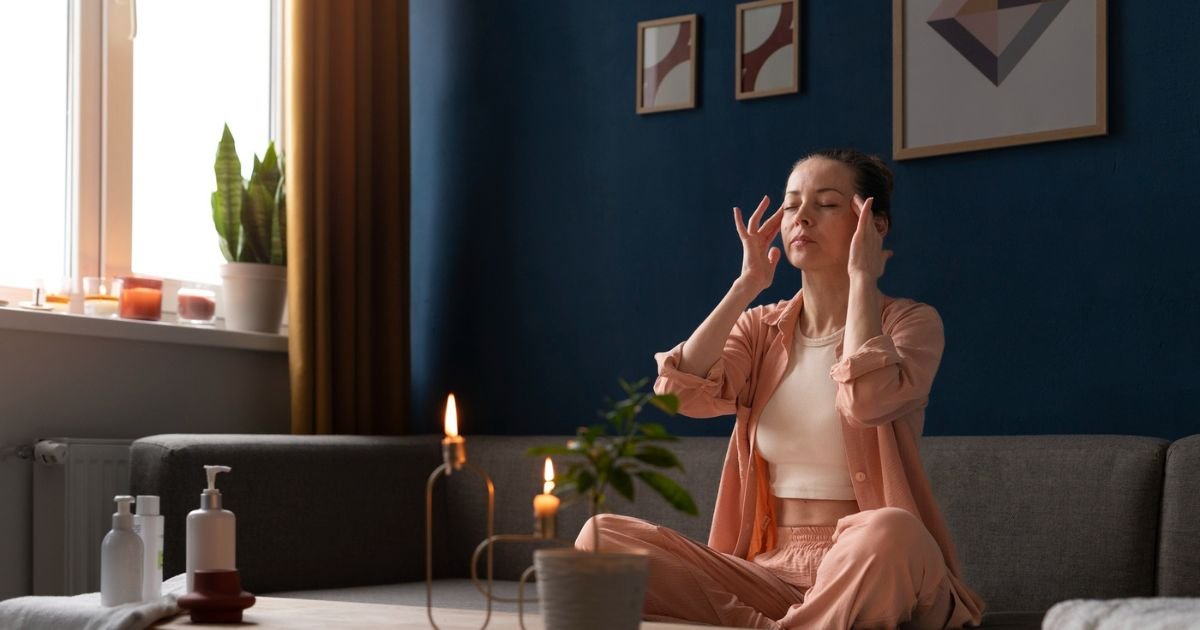
Anxiety can feel overwhelming. Adopting specific techniques helps calm your mind and regain emotional balance.
1. Grounding Exercises
Grounding exercises help you focus on the present moment and reduce anxious thoughts. These techniques redirect attention away from overwhelming emotions and calm the mind.
You can follow our detailed 5-4-3-2-1 grounding technique guidance to practice grounding effectively. Regular practice strengthens emotional control and helps you manage anxiety in stressful situations.
2. Visualization
Visualization involves imagining a safe, peaceful place in your mind. This technique shifts attention from anxiety triggers and reduces tension. Practicing visualization regularly promotes relaxation and improves emotional stability.
3. Journaling
Writing down anxious thoughts allows you to process your emotions effectively. Journaling clarifies feelings and identifies stress triggers. It also releases tension and prevents repetitive negative thinking.
4. Seeking Support
Talking to friends, family, or professionals helps manage anxiety. Sharing your feelings provides perspective, guidance, and reassurance. Support strengthens coping skills and improves emotional resilience.
Building Calmness Through Daily Lifestyle Habits
Daily habits play a key role in learning to be calm and maintain long-term peace.
Establishing Routines
- Following consistent morning and evening routines reduces stress and improves daily focus.
- Simple habits like journaling or planning tasks create emotional stability.
- Regular schedules help your mind anticipate events calmly instead of reacting impulsively.
Creating a Calming Environment
- Organizing spaces with minimal clutter promotes relaxation and reduces distraction.
- Soft lighting, natural elements, and soothing colors enhance emotional balance.
- A peaceful environment encourages mindfulness and helps sustain focus during stressful moments.
Limiting Stressors
- Reducing exposure to negative media or toxic interactions preserves mental energy.
- Setting boundaries with people and tasks prevents overwhelm and anxiety.
- Limiting unnecessary stressors helps you respond thoughtfully instead of reacting emotionally.
Prioritizing Self-Care
- Maintaining healthy sleep patterns improves mood and reduces irritability.
- Regular exercise, nutritious food, and hydration support physical and mental well-being.
- Scheduling relaxation activities and personal time consistently strengthens emotional resilience.
FAQs
1. How can I stay calm in stressful situations?
To remain calm, practice deep breathing, mindfulness, and grounding techniques. Engage in regular physical activity and maintain a healthy lifestyle. Developing emotional awareness and challenging negative thoughts can also help manage stress effectively. Consistency in these practices builds resilience over time.
2. What are some quick ways to calm anxiety?
Quick methods include the 4-7-8 breathing technique, progressive muscle relaxation, and guided imagery. Engaging in light physical activity or listening to calming music can also provide immediate relief. These techniques help activate the body’s relaxation response, reducing anxiety symptoms swiftly.
3. How does mindfulness help in staying calm?
Mindfulness involves focusing on the present moment without judgment. Regular practice reduces stress, enhances emotional regulation, and improves overall well-being. It helps break the cycle of anxious thoughts, promoting a sense of calm and clarity.
4. Can lifestyle changes improve my ability to stay calm?
Yes, adopting a balanced lifestyle supports emotional health. Prioritize adequate sleep, nutritious meals, and regular exercise. Limiting caffeine and alcohol intake and setting aside time for relaxation can significantly enhance your ability to remain calm and manage stress effectively.
Read More: Mindful Morning Routine: Everything You Need To Know
Conclusion
Learning how to be calm in life improves emotional balance and reduces daily stress effectively. Practicing mindfulness, deep breathing, and grounding exercises helps manage anxiety. Building patience through routines and realistic expectations enhances mental clarity. Creating a peaceful environment and prioritizing self-care strengthens emotional resilience. Consistently applying these strategies lets you stay calm, patient, and focused daily.