
Chronic inflammation quietly fuels many modern health problems and reduces overall quality of life. Research increasingly shows that ongoing psychological stress plays a major role in sustaining inflammatory responses. Relaxation is not just mental comfort but a biological process that influences hormones and immune signaling. When the body enters a relaxed state, stress hormones decline and inflammatory markers begin to decrease. In this article, we will discuss how relaxation reduces inflammation and supports overall health. Let’s dive in.
What is Inflammation?
Inflammation is the body’s natural defense response to injury, infection, or harmful stimuli. It helps the immune system protect tissues and begin the healing process. Acute inflammation is short-term and usually beneficial.
Chronic inflammation, however, can persist silently. Over time, it may damage healthy cells and contribute to conditions like heart disease, arthritis, and autoimmune disorders.
The Stress–Inflammation Connection
Stress triggers a powerful biological response designed to protect the body in short bursts. During stress, the brain signals the release of hormones like cortisol and adrenaline. These hormones can activate inflammatory pathways when stress becomes constant.
Over time, prolonged stress keeps the immune system in a heightened state. This leads to increased production of inflammatory markers in the body. As a result, chronic stress is closely linked to ongoing inflammation and related health issues.
How Relaxation Biologically Reduces Inflammation
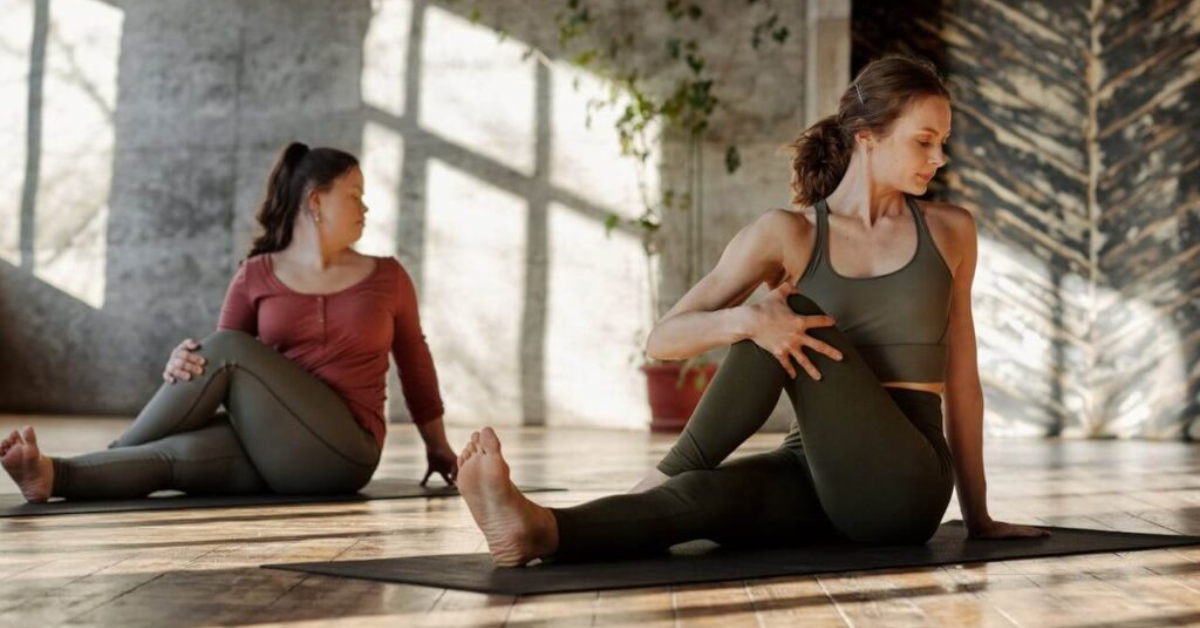
Relaxation triggers measurable biological changes that calm stress responses and regulate immune activity linked to inflammation.
Relaxation Response and Stress Hormones
The relaxation response is the body’s natural counterbalance to stress activation. When relaxation techniques are practiced, the nervous system shifts away from fight-or-flight mode. This shift lowers the release of stress hormones such as cortisol and adrenaline.
Elevated cortisol over long periods is strongly associated with increased inflammation. By reducing cortisol levels, relaxation helps interrupt inflammatory signaling pathways. Heart rate and blood pressure also decrease, reducing strain on blood vessels.
These changes create a physiological environment that discourages chronic inflammation. Over time, consistent relaxation practices help stabilize hormone levels and protect the body from stress-driven inflammatory damage.
Impact on Immune System Signaling
Relaxation directly influences how the immune system communicates within the body. Chronic stress encourages immune cells to release pro-inflammatory cytokines that sustain inflammation.
Relaxation practices reduce this excessive immune activation. Studies show relaxation can lower levels of inflammatory markers while supporting anti-inflammatory responses. This balance helps the immune system respond appropriately without overreacting.
Relaxation also improves cellular repair processes by conserving energy normally spent on stress responses. As immune signaling becomes more regulated, tissue irritation and swelling decrease. These effects explain why relaxation supports healing and reduces inflammation-related symptoms over time.
Top Relaxation Techniques That Reduce Inflammation
Relaxation techniques are powerful tools for lowering inflammation because they help the body shift from stress mode into recovery mode. Here are some of the most effective techniques supported by scientific evidence.
Mindfulness & Meditation
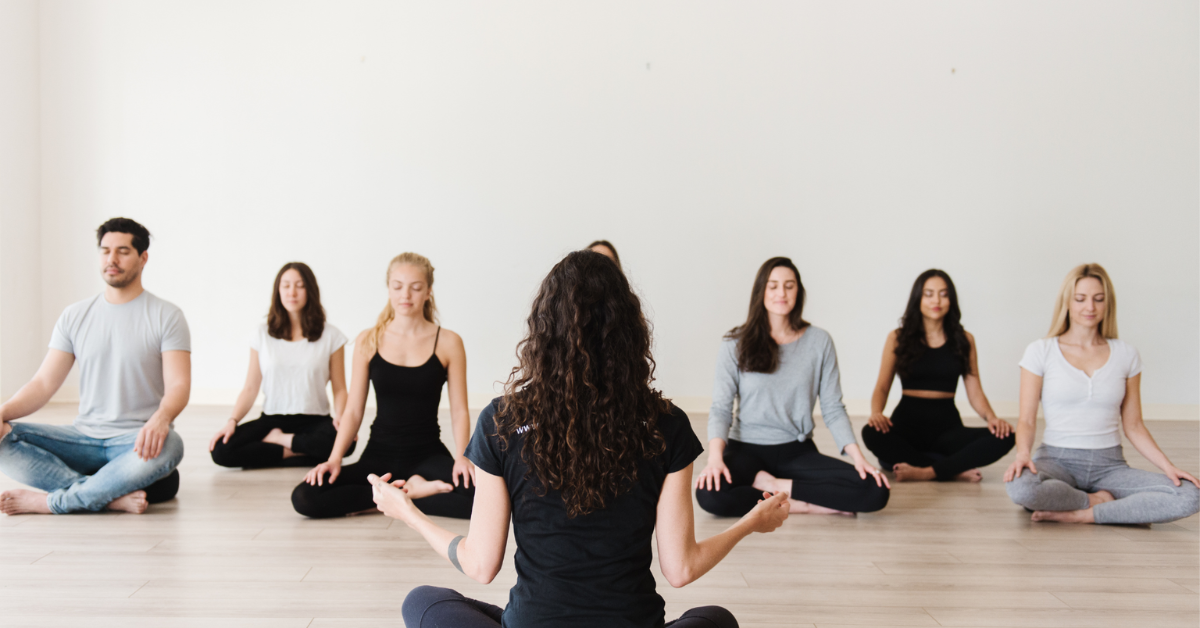
Mindfulness meditation reduces inflammation by lowering stress hormones and calming the nervous system. By focusing on breath and present-moment awareness, it reduces the body’s stress response and decreases pro-inflammatory cytokines. Over time, consistent meditation supports immune balance and helps the body stay in a relaxed, healing state.
Steps:
- Sit comfortably with a straight back.
- Close your eyes and breathe slowly.
- Focus on your breath entering and leaving your nose.
- When thoughts appear, gently return attention to breathing.
- Practice for 5–10 minutes daily.
- End with a deep breath and a moment of gratitude.
Yoga and Breathwork
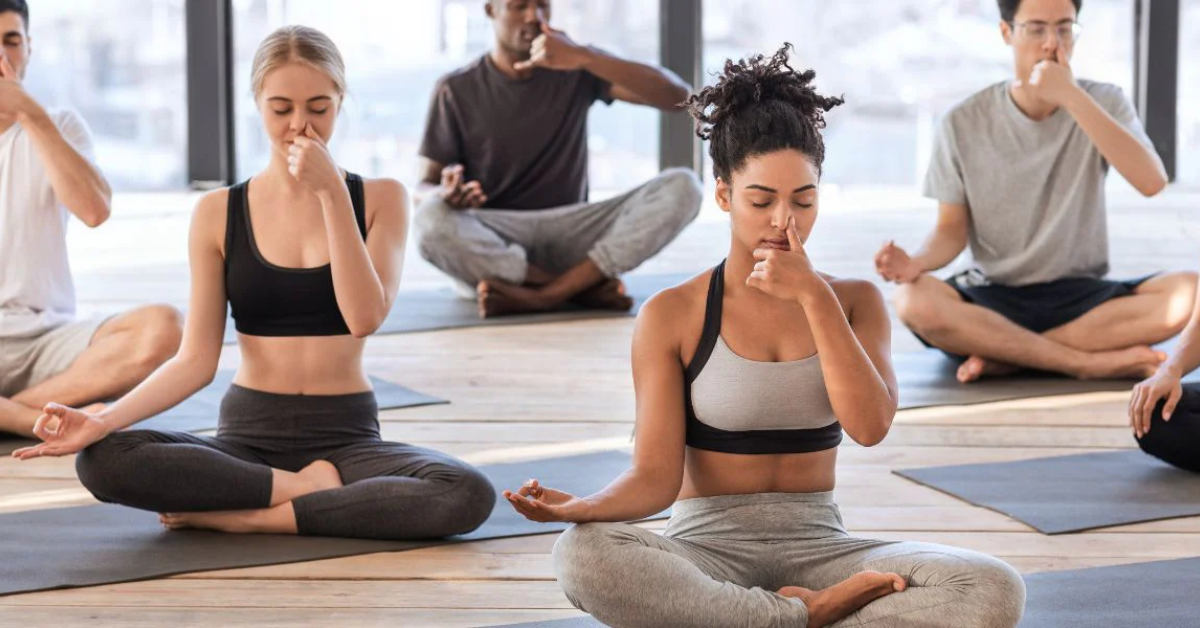
Yoga and breathwork reduce inflammation by activating the parasympathetic nervous system, which lowers cortisol and heart rate. Slow movement and controlled breathing improve circulation and reduce muscle tension, helping the body recover. Over time, this practice supports stress resilience and decreases inflammatory signals in the immune system.
Steps:
- Start with a few deep breaths in a quiet space.
- Move into gentle poses like child’s pose and cat-cow.
- Hold each pose for 20–30 seconds while breathing slowly.
- Practice 5 rounds of deep belly breathing (inhale 4, exhale 6).
- Finish with 2–3 minutes in Savasana (relaxation pose).
- Repeat 3–5 times weekly.
Progressive Muscle Relaxation & Guided Imagery

Progressive muscle relaxation and guided imagery reduce inflammation by releasing physical tension and calming the nervous system. When muscles relax, stress hormones decrease, and blood flow improves, lowering inflammatory activity. Guided imagery enhances this effect by creating a peaceful mental state, helping the body shift into recovery mode.
Steps for Progressive Muscle Relaxation:
- Lie down comfortably and close your eyes.
- Tense your toes for 5 seconds, then release.
- Move upward: calves, thighs, abdomen, chest, hands, shoulders, face.
- Hold each tension for 5 seconds, then relax for 10 seconds.
- Focus on the sensation of release.
- Finish with 2 minutes of slow breathing.
Steps for Guided Imagery:
- Sit or lie down in a quiet place.
- Close your eyes and breathe slowly.
- Imagine a calm place (beach, forest, or mountain).
- Visualize details: sounds, colors, scents.
- Stay in the scene for 5–10 minutes.
- Slowly return to the present with deep breaths.
Time in Nature & Leisure Activities

Spending time in nature and engaging in leisure activities reduces inflammation by lowering stress hormones and improving mood. Nature exposure encourages slower breathing and mental calm, which decreases pro-inflammatory signaling. Relaxing hobbies give the body a break from constant stress, supporting long-term immune balance and inflammation control.
Steps:
- Choose a natural place (park, beach, garden).
- Walk slowly for 15–20 minutes.
- Focus on surroundings: birds, trees, wind.
- Avoid phone or distractions.
- Combine with a calming activity like reading or journaling.
- Repeat 3–4 times weekly.
Massage & Bodywork
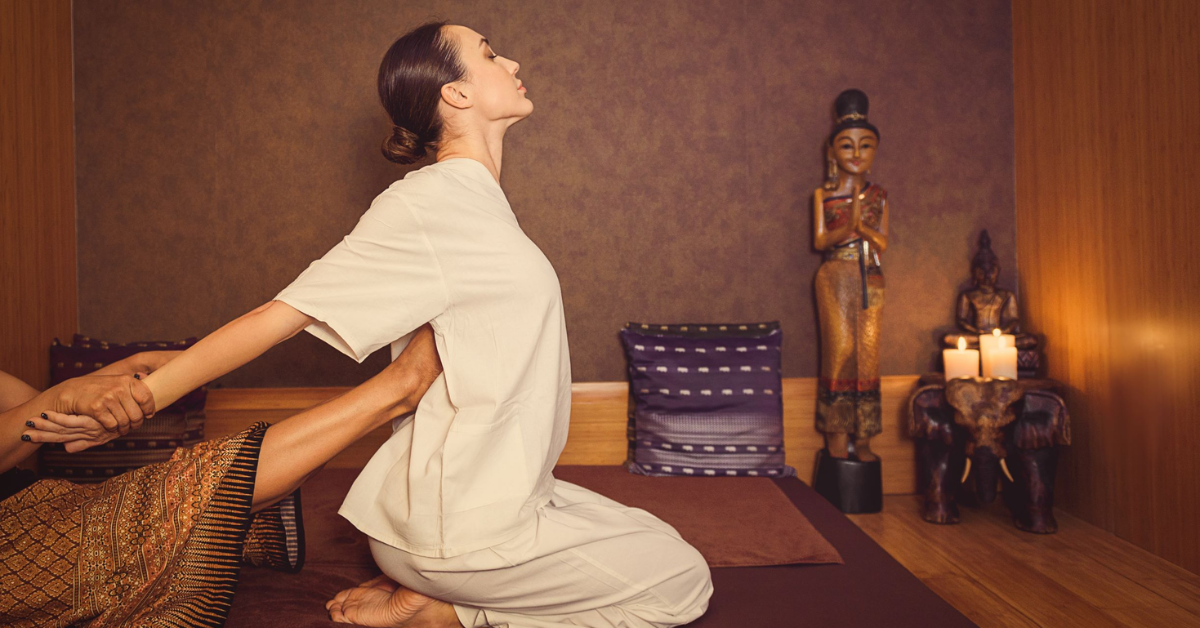
Massage and bodywork reduce inflammation by lowering cortisol levels and releasing muscle tension. Physical touch triggers relaxation hormones, improving circulation and reducing pain signals. This calming effect helps regulate immune responses and decreases inflammatory markers. Regular sessions support recovery and long-term inflammation control.
Steps:
- Start with light pressure on the neck and shoulders.
- Use slow circular motions for 2–3 minutes.
- Massage each muscle group: back, legs, arms.
- Apply gentle pressure on tense areas for 10–15 seconds.
- Finish with deep breathing for 2 minutes.
- Consider a professional massage once a month or as needed.
Lifestyle Habits Complementing Relaxation
Relaxation practices work best when combined with supportive lifestyle habits that naturally reduce inflammation. Quality sleep is essential because the body repairs tissues and balances immune function during rest.
Poor sleep increases stress hormones and inflammatory markers, making it harder for relaxation to have a lasting effect. Gentle movement, such as walking or stretching, improves circulation and reduces stiffness, supporting the body’s natural healing process.
A balanced diet rich in whole foods and hydration also helps lower inflammation. Together, these habits create a strong foundation for relaxation to reduce inflammation more effectively and consistently.
Conclusion
Relaxation is a powerful tool for reducing inflammation because it lowers stress hormones and supports balanced immune function. Simple practices like mindfulness, yoga, and nature walks can shift the body from constant defense mode into healing mode.
When combined with healthy sleep, gentle movement, and a balanced diet, relaxation becomes even more effective. Start small, stay consistent, and you can experience real benefits in inflammation and overall well-being.