
Healing is not only about medicine, but also about how the mind and body respond to stress. Relaxation plays a powerful role in activating natural recovery processes that support faster physical and emotional healing. When the body enters a relaxed state, vital systems work more efficiently to repair damage and restore balance.
Reducing stress helps regulate hormones, improve immune function, and create an internal environment ideal for healing. In this article, we will explain how relaxation helps the body heal faster naturally overall. Let’s dive in.
The Mind–Body Connection in Healing
The mind and body are deeply connected and influence healing outcomes. Thoughts, emotions, and stress levels shape how the body functions. When stress dominates, the brain prioritizes protection over repair.
The nervous system coordinates this relationship through distinct response pathways. Stress activates alert systems that divert energy from recovery. Relaxation shifts control toward restorative processes and balance.
Calm signals support immune function, circulation, and cellular repair. Mental ease helps the body conserve energy and heal efficiently. Supporting the mind–body connection creates ideal conditions for healing.
How Stress Interferes With the Body’s Healing Process

Stress triggers chemical responses that prepare the body for short-term survival. These responses increase cortisol levels and strain vital healing systems. When stress becomes chronic, recovery processes remain suppressed.
High cortisol levels weaken the immune response and increase inflammation. Blood flow shifts away from tissues needing repair. Sleep quality declines, limiting essential restorative cycles.
Persistent stress also disrupts hormone balance and digestion. Nutrient absorption becomes less efficient during prolonged tension. Together, these effects slow healing and prolong recovery time.
How Relaxation Helps the Body Heal Faster
Relaxation supports the body’s natural healing process by reducing stress, boosting immunity, improving circulation, and enhancing cellular repair processes.
Activation of the Parasympathetic Nervous System
Relaxation activates the parasympathetic nervous system, often called the body’s rest-and-repair mode. This system slows heart rate, deepens breathing, and reduces physical tension. When the body is no longer focused on survival responses, energy is redirected toward healing processes such as digestion, immune defense, and tissue repair, allowing recovery to progress more efficiently and naturally.
Reduced Cortisol and Balanced Hormone Levels
Chronic stress raises cortisol levels, which interfere with healing and increase inflammation. Relaxation helps lower cortisol production and restore hormonal balance. When stress hormones decrease, the body can better regulate insulin, growth hormones, and melatonin. This balanced hormonal environment supports immune strength, improves sleep quality, and creates optimal conditions for faster healing.
Improved Blood Circulation and Oxygen Delivery
Relaxation improves blood circulation by easing muscle tension and widening blood vessels. Better circulation allows oxygen and essential nutrients to reach injured or stressed tissues more efficiently. At the same time, waste products are removed more effectively. This increased flow supports tissue repair, reduces swelling, and helps the body rebuild damaged cells faster.
Enhanced Cellular Repair and Tissue Regeneration
During relaxation, the body shifts energy toward cellular repair and regeneration. Cells function more efficiently when stress signals are reduced. Protein synthesis, collagen production, and tissue renewal processes improve in a calm internal environment. This allows wounds to heal faster, muscles to recover more effectively, and internal systems to restore balance.
Faster Recovery From Illness, Injury, and Fatigue
Relaxation supports overall recovery by improving sleep, immune response, and energy conservation. When the body regularly enters a relaxed state, it heals more consistently and efficiently. Recovery time from illness, injury, or exhaustion shortens because the body can focus on repair rather than managing constant stress, leading to better long-term health outcomes.
Relaxation and Immune System Support
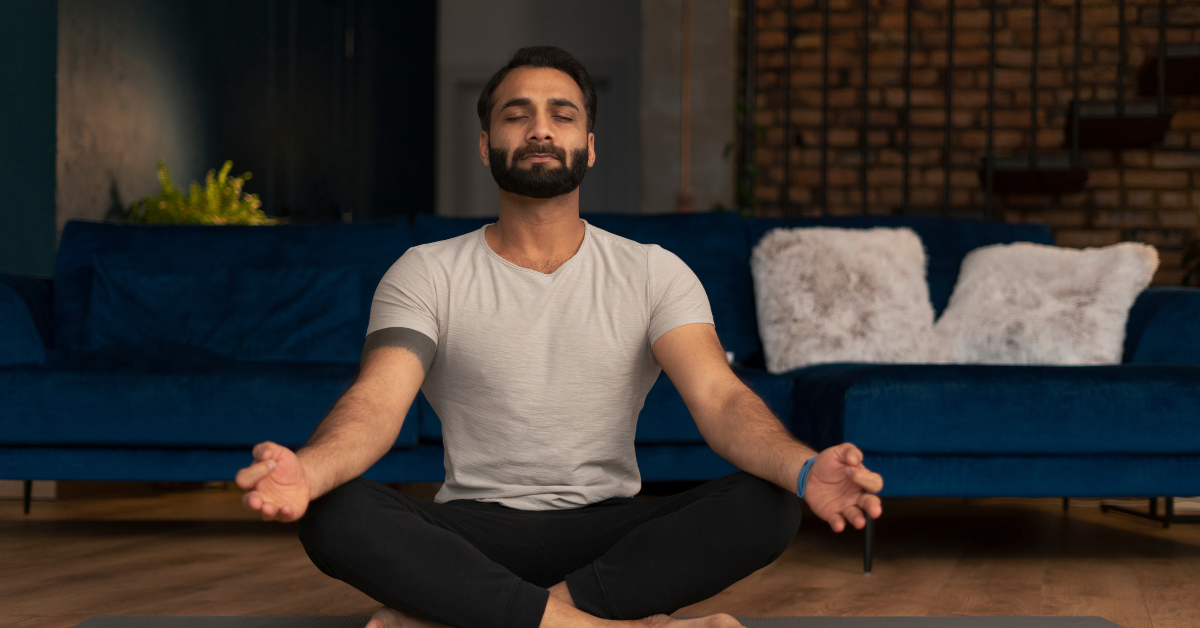
Relaxation strengthens the immune system by reducing stress-induced suppression of immune cells. Lower cortisol levels allow white blood cells to function optimally, improving the body’s defense against infections. Regular relaxation decreases inflammation and enhances antibody production. Over time, this balanced immune response helps wounds heal faster, reduces the risk of illness, and supports overall recovery, making the body more resilient to stress and disease.
The Role of Relaxation in Pain Reduction and Comfort
Relaxation can significantly reduce pain and promote comfort by calming the nervous system, easing muscle tension, and lowering stress levels. These effects help the body manage discomfort naturally and support faster recovery from injuries or chronic conditions.
Key Roles of Relaxation in Pain Reduction:
- Calms the nervous system, reducing pain signals to the brain.
- Eases muscle tension, stiffness, and tightness.
- Lowers stress and cortisol, which can worsen pain.
- Supports gentle movement and improved mobility.
- Enhances overall comfort and promotes faster recovery.
Key Relaxation Techniques That Promote Faster Healing
Incorporating regular relaxation practices helps the body recover more efficiently. Simple techniques reduce stress, improve circulation, and support immune function, making healing faster and more effective. Consistency is key to achieving long-term benefits.
Deep Breathing Exercises
Deep breathing is a simple yet powerful technique that helps calm the nervous system, reduce stress, and improve oxygen delivery to the body. Regular practice can lower heart rate, decrease cortisol levels, and support faster healing by enhancing circulation and cellular function.
Steps for Deep Breathing:
- Sit or lie down comfortably with a straight spine.
- Inhale slowly through your nose for a count of four.
- Hold your breath for a count of four.
- Exhale slowly through your mouth for a count of six.
- Repeat this cycle for 5–10 minutes daily.
Meditation and Mindfulness

Meditation and mindfulness involve focusing attention and being present in the moment. These practices reduce stress, improve emotional regulation, and enhance overall well-being. By calming the mind, meditation supports the body’s natural healing processes, boosts immune function, and encourages restorative sleep.
Steps for Meditation and Mindfulness:
- Find a quiet, comfortable place to sit or lie down.
- Close your eyes and focus on your breath or a simple mantra.
- Observe thoughts without judgment and gently return focus to your breath.
- Practice for 10–20 minutes daily.
- Gradually increase duration as you become more comfortable.
Restorative Sleep
Restorative sleep is essential for physical and mental healing. During deep sleep, the body repairs tissues, balances hormones, and strengthens the immune system. Prioritizing quality sleep accelerates recovery, reduces fatigue, and enhances energy levels for better overall health.
Steps for Restorative Sleep:
- Maintain a consistent sleep schedule, going to bed and waking up at the same time.
- Create a calm, dark, and cool sleeping environment.
- Limit screen time and caffeine before bed.
- Practice a relaxing pre-sleep routine like reading or gentle stretching.
- Aim for 7–9 hours of uninterrupted sleep each night.
Gentle Movement and Stretching
Gentle movement and stretching improve blood circulation, release muscle tension, and enhance flexibility. Practices like yoga or light stretching support relaxation, reduce stiffness, and encourage the body’s natural healing processes. These exercises complement other relaxation techniques for overall wellness and faster recovery.
Steps for Gentle Movement and Stretching:
- Warm up with light movements such as shoulder rolls or ankle circles.
- Perform slow, controlled stretches for major muscle groups.
- Focus on breathing deeply during each stretch.
- Hold each stretch for 15–30 seconds without straining.
- Repeat daily or several times per week for best results.
How to Build Relaxation Into Your Daily Routine
Incorporating relaxation into daily life ensures consistent healing benefits and reduces the long-term impact of stress. Simple, practical habits can make relaxation a natural part of your schedule, improving physical recovery, emotional balance, and overall well-being. Consistency is key to maximizing the body’s healing potential.
Practical Ways to Include Relaxation Daily:
- Set aside 10–20 minutes each day for deep breathing or meditation.
- Establish a calming bedtime routine to improve sleep quality.
- Take short breaks during work or study to stretch and breathe deeply.
- Create a relaxing environment at home with soft lighting and minimal noise.
- Practice mindfulness during daily activities, like walking, eating, or washing dishes.
Who Can Benefit Most From Relaxation-Based Healing
Relaxation techniques can support healing and well-being for people of all ages and lifestyles. Certain groups, however, may see particularly significant benefits. By reducing stress, improving sleep, and enhancing immune function, relaxation helps the body recover more efficiently and maintain overall health.
People Who Benefit Most:
- Individuals recovering from illness, surgery, or injury.
- People experiencing chronic stress, anxiety, or high-pressure work environments.
- Those with chronic pain or fatigue seek natural relief.
- Anyone aiming to strengthen immunity and improve overall wellness.
- Older adults who need support for slower healing or age-related health issues.
Conclusion
Relaxation is a powerful tool that supports the body’s natural healing processes. By reducing stress, balancing hormones, improving circulation, and enhancing immune function, it accelerates recovery from illness, injury, and fatigue.
Incorporating techniques like deep breathing, meditation, restorative sleep, and gentle movement into daily life promotes overall wellness. Prioritizing relaxation not only helps the body heal faster but also fosters long-term physical and mental well-being.