
Sciatica pain can disrupt daily life, causing discomfort that travels from the lower back down the legs. Many people explore heat therapy for sciatica pain as a simple and effective home treatment option. Research suggests that nearly 13-40 percent of people experience sciatica at some point during their lifetime.
Heat therapy for sciatic nerve pain works by improving blood flow and relaxing tight muscles around nerves. This natural approach may reduce stiffness, ease pain signals, and support better movement without complex treatments. In this guide, you will learn how heat therapy for sciatica nerve pain works, when to use it, and how to stay safe. Let’s dive in.
What Is Sciatica Pain?
Sciatica pain occurs when the sciatic nerve is compressed or irritated, causing pain from the lower back to the legs. Common causes include herniated discs, spinal stenosis, or muscle tightness. Symptoms often involve numbness, tingling, or sharp pain along the nerve pathway. Understanding these causes helps in choosing effective treatments, such as heat therapy, for sciatic pain.
Does Heat Therapy Help Sciatica Pain?
Heat therapy for sciatica pain can provide relief by relaxing tense muscles around the sciatic nerve. It improves blood flow, which delivers oxygen and nutrients to affected tissues, supporting natural healing. Many people find reduced stiffness and less pain when using moist or dry heat. Heat therapy for sciatic nerve pain is most effective for chronic discomfort rather than sudden inflammation.
Benefits of Heat Therapy for Sciatic Nerve Pain
Heat therapy for sciatic nerve pain helps reduce discomfort, improve blood flow, and relax tight muscles naturally. Regular use of heat can make movement easier and support recovery from chronic sciatic pain at home.
Relieves Muscle Tightness
Heat therapy relaxes tight muscles around the sciatic nerve. This reduces pressure and eases painful spasms. Looser muscles make movement easier. It also helps during stretching or light exercises. Relaxed muscles prevent further strain and improve overall comfort for people with sciatica pain.
Improves Blood Circulation
Applying heat increases blood flow to the affected area. Better circulation delivers oxygen and nutrients to damaged tissues. It also helps remove waste that can cause inflammation. Improved blood flow reduces stiffness and supports faster recovery. Heat therapy improves the health and flexibility of the muscles around the nerve.
Reduces Pain Signals
Heat therapy can lower pain signals sent to the brain. Relaxed muscles decrease pressure on the nerve. This reduces the intensity of sciatica pain. Regular use provides consistent relief. It also helps improve daily movement and comfort. Heat therapy works alongside stretching or gentle exercises to reduce pain naturally.
Enhances Flexibility and Mobility
Heat improves tissue flexibility around the sciatic nerve. Muscles and ligaments stretch more easily. Increased flexibility allows smoother movement and reduces the risk of injury. It also helps with posture and daily activities. Over time, regular heat therapy supports improved lower back and leg function in patients with sciatica.
When to Use Heat Therapy for Sciatica Pain
Heat therapy can provide relief when sciatica pain is persistent or causing stiffness. Using heat at the right time maximizes comfort, reduces muscle tension, and supports better mobility without worsening inflammation.
- Use heat for chronic or ongoing pain.
- Apply after the first 48–72 hours of a flare-up.
- Use when muscles feel tight or stiff around the sciatic nerve.
- Avoid heat if there is swelling or acute inflammation.
- Apply in short, controlled sessions for safe relief.
When NOT to Use Heat Therapy
Heat therapy for the muscle recovery of sciatica pain is not always safe. Using it at the wrong time can worsen symptoms or cause burns. Avoid heat when the affected area is swollen or inflamed. People with certain conditions should be extra careful.
- Do not use heat during acute inflammation or swelling.
- Avoid heat if it increases pain or redness.
- People with diabetes or poor circulation should consult a doctor first.
- Avoid direct contact with skin for long periods.
- Stop using heat if you notice burns or irritation.
How to Use Heat Therapy for Sciatic Nerve Pain Safely
Heat therapy for sciatic nerve pain works best when applied correctly. Proper techniques reduce pain, prevent injury, and improve flexibility. Following safe practices ensures consistent relief while avoiding burns or irritation.
Best Methods
There are several effective ways to apply heat safely at home to relieve sciatic pain.
Heating Pad
A heating pad is a convenient option for targeted heat therapy. Place it on the affected area to relax muscles. Most pads allow adjustable temperature settings for safe use. Use a low-to-medium heat setting to prevent burns and avoid prolonged direct skin contact. Check out the best heating pads available in 2026.
Hot Water Bottle
A hot water bottle provides moist heat that penetrates deep into muscles. Fill it with warm, not boiling, water. Wrap it in a cloth before placing it on your lower back or leg. This method safely eases tension and improves blood circulation.
Warm Bath
A warm bath provides full-body heat therapy that relaxes tight muscles along the sciatic nerve. Soak for 15–20 minutes at a comfortable temperature. Gentle stretching in the water can further reduce stiffness and enhance mobility naturally.
Step-by-Step Guide to Use Heat Therapy for Sciatic Nerve Pain
Follow these simple steps to apply heat therapy safely and maximize sciatica pain relief.
Apply for 15–20 Minutes
Apply heat for 15–20 minutes per session. Short, controlled sessions prevent skin irritation and burns. Repeat two to three times daily if needed. Avoid leaving heat on for longer periods to protect skin and ensure safe, effective therapy.
Use a Cloth Barrier
Always place a cloth or towel between the heat source and your skin. Direct contact can cause burns. A barrier ensures even heat distribution and protects sensitive areas. Adjust the cloth thickness to maintain comfort during each session.
Keep Heat Warm, Not Hot
Set the heat to a warm, comfortable level. Avoid high temperatures that can damage skin or worsen sciatica pain. Test the heat with your hand before applying. Consistent, safe warmth provides effective relief without risk.
Safety Tips
Follow these tips to avoid injury and maximize heat therapy benefits:
- Do not sleep with a heating pad.
- Avoid prolonged direct skin contact.
- Take breaks between sessions to prevent irritation.
Heat vs Ice for Sciatica Pain: Which Is Better?
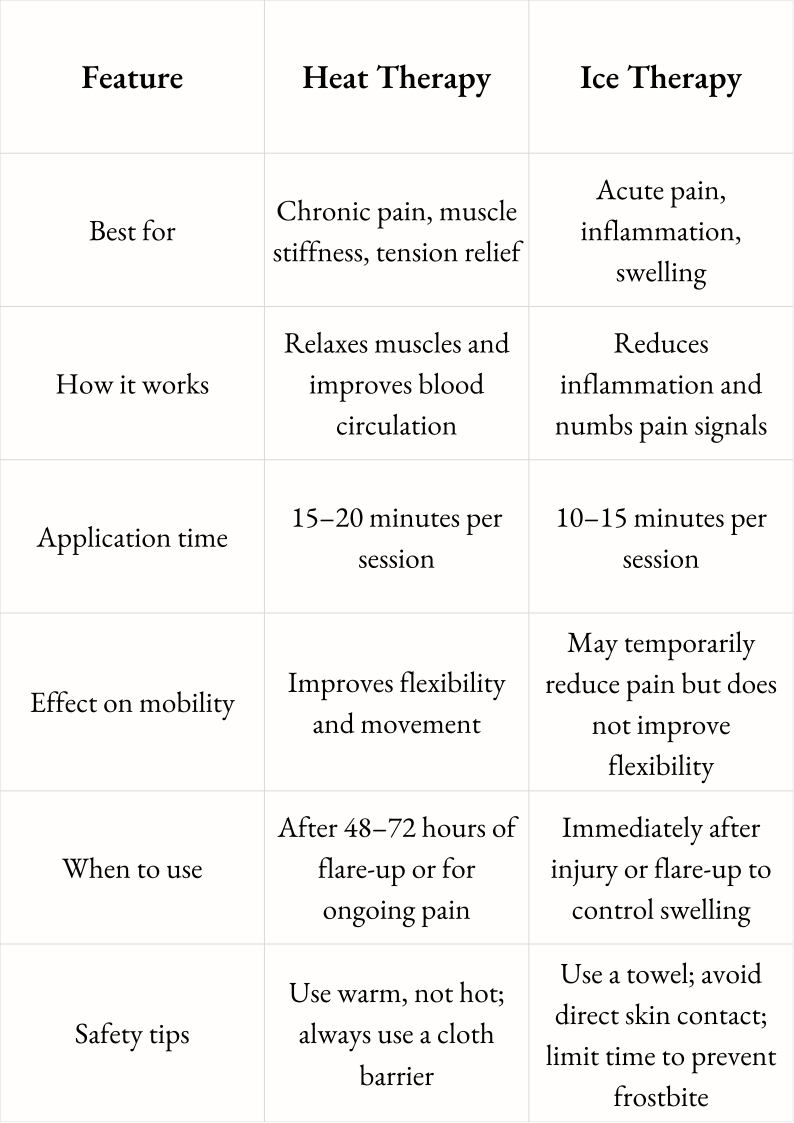
Both heat and ice can help relieve sciatica pain, but they work differently. Ice is best for acute pain or inflammation, especially within the first 48–72 hours of a flare-up. Heat works better for chronic pain, muscle stiffness, and tension.
Alternating heat and ice, also called contrast therapy, may provide additional relief. Using the right method at the right time helps reduce pain, improve mobility, and support recovery from sciatic nerve discomfort.
Best Types of Heat Therapy for Sciatica Pain
Heat therapy can relieve sciatica pain in different ways. Each method has unique benefits for muscles, nerves, and mobility. Choosing the right type depends on comfort, convenience, and the intensity of your sciatic nerve pain.
Moist Heat vs Dry Heat
Moist heat penetrates deeper into muscles and tissues, helping relax tight muscles more effectively. Dry heat, like heat packs, is convenient and easy to control. Both types reduce stiffness, improve blood flow, and provide safe relief for sciatica pain.
Electric Heating Pads
Electric heating pads deliver consistent, adjustable heat directly to the affected area. They are easy to use at home and allow targeted relief. Regular use can relax tight muscles, improve circulation, and reduce pain caused by chronic sciatica.
Heat Wraps
Heat wraps are portable and flexible, providing gentle warmth while allowing movement. They maintain steady heat for a long period, helping loosen stiff muscles and reduce discomfort. Heat wraps are convenient for work, travel, or daily routines.
Warm Showers or Baths
Warm showers or baths provide full-body heat, relaxing muscles along the lower back and legs. Immersion in warm water eases tension, reduces stiffness, and improves circulation. This method also allows gentle stretching and overall comfort for sciatica sufferers.
Risks and Side Effects of Heat Therapy
Heat therapy is generally safe, but improper use can cause problems. Overuse or very high temperatures may cause burns, irritation, or worsened pain. People with certain conditions should use heat carefully.
- Direct contact with very hot surfaces can cause burns.
- Prolonged use may lead to skin redness or irritation.
- Using heat too frequently can increase discomfort rather than relieve it.
- People with diabetes, poor circulation, or nerve damage should consult a doctor first.
- Failing to use a barrier, such as a cloth, can damage sensitive skin.
When to See a Doctor for Sciatica Pain
Most cases of sciatica improve with home treatments like heat therapy. However, certain symptoms require medical attention. Seeing a doctor early can prevent complications and ensure proper care for your sciatic nerve pain.
- Consult a doctor if pain lasts more than a few weeks.
- Seek medical help for severe numbness or weakness in the legs.
- See a doctor if there is a loss of bladder or bowel control.
- Get evaluated if home treatments do not relieve pain.
- Consult a professional before using heat therapy if you have chronic health conditions.
FAQs
Does heat therapy make sciatica worse?
Heat therapy for sciatica pain is safe when used correctly. Using very hot temperatures or applying heat for too long may increase discomfort. Always follow safe practices to avoid worsening symptoms.
How long should I use heat therapy for sciatic nerve pain?
Apply heat for 15–20 minutes per session. Repeat two to three times daily if needed. Short, controlled sessions are safest and most effective for relieving sciatic nerve pain.
Can I sleep with a heating pad?
Sleeping with a heating pad is not safe. Prolonged direct contact may cause burns or irritation. Always remove the pad before sleeping and use heat therapy during waking hours.
Is heat or ice better for sciatic nerve pain?
Use ice for acute inflammation or flare-ups during the first 48–72 hours. Heat works better for chronic pain, stiffness, and muscle tension. Alternating between both can provide additional relief.
Is heat good for sciatica nerve pain?
Yes, heat can be very helpful for sciatic nerve pain when used properly. Applying heat relaxes tight muscles around the sciatic nerve, improves blood circulation, and reduces stiffness. This can relieve discomfort, ease tension, and improve mobility.
However, heat is best for chronic pain or muscle stiffness, not for acute inflammation during the first 48–72 hours of a flare-up. Using heat at too high a temperature or for too long can cause burns, so always use a barrier, like a cloth, and limit sessions to 15–20 minutes.
Conclusion
Heat therapy for sciatica pain is a simple, effective way to relieve muscle tension and stiffness. Using methods like heating pads, hot water bottles, or warm baths safely can reduce discomfort, improve mobility, and support recovery from sciatic nerve pain at home. Consistent, proper use ensures the best results.