
Muscle soreness after intense workouts can limit mobility and delay consistent training progress for many active individuals. Heat therapy for muscle recovery is commonly recommended to ease stiffness and promote healing after exercise.
Research shows that within the first 48 hours after exercise, hot packs provide better pain relief for delayed-onset muscle soreness, whereas cryotherapy becomes more effective after 48 hours.
By increasing circulation and relaxing tight tissues, heat therapy techniques for muscle recovery support comfort and recovery. In this article, we will discuss more about heat therapy for muscle recovery. Let’s dive in.
What Is Heat Therapy for Muscle Recovery?
Heat therapy for muscle recovery uses controlled warmth to relax tight muscles after exercise. It helps reduce stiffness and supports the body’s natural healing response. When applied to sore areas, heat effectively increases local blood circulation.
Improved circulation delivers oxygen and nutrients to fatigued muscle tissues. Heat also promotes vasodilation, which means blood vessels gently expand. This process helps remove metabolic waste that accumulates during intense workouts.
As a result, muscles feel looser, more flexible, and less painful. Unlike cold therapy, heat is more effective for stiffness and chronic muscle tension. Many athletes use heat therapy to promote muscle recovery and maintain consistent training performance.
How Heat Therapy Supports Muscle Recovery
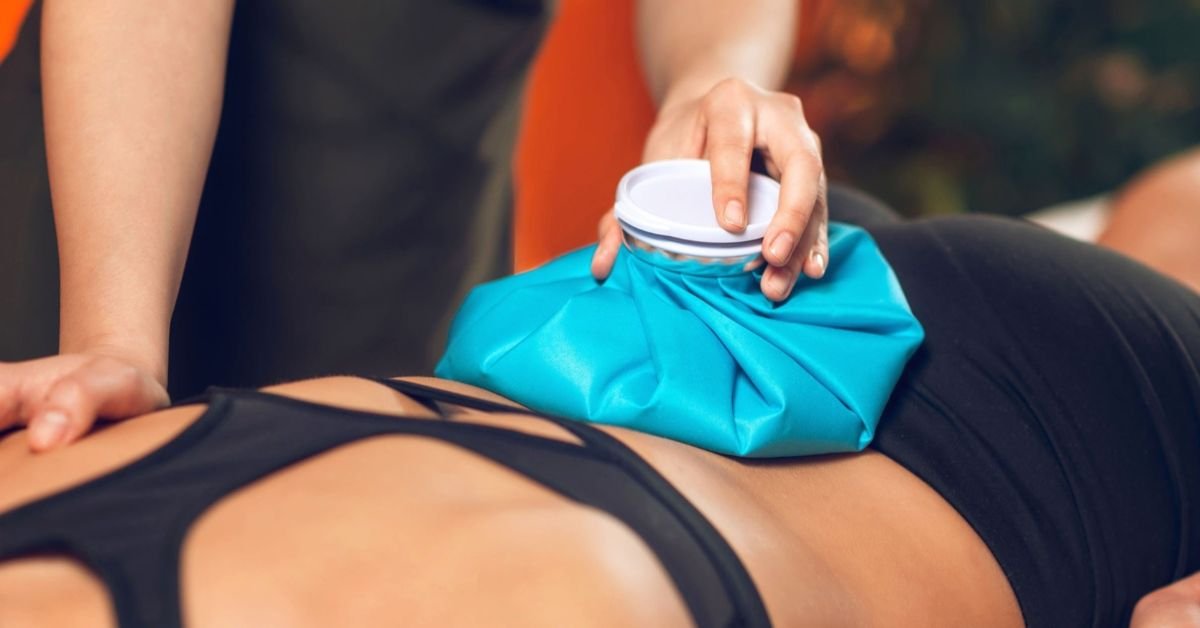
Heat therapy for muscle recovery works by stimulating circulation and relaxing stressed muscle fibers. Scientific evidence indicates that therapeutic heat can alleviate soreness, improve flexibility, and promote faster post-exercise tissue repair.
- Increases blood flow to deliver oxygen and essential nutrients to fatigued muscles.
- Promotes vasodilation, allowing blood vessels to expand and improve circulation efficiency.
- Helps remove metabolic waste that accumulates after intense physical activity.
- Relaxes tight muscle fibers, reducing stiffness and improving overall flexibility.
- Decreases pain signals by soothing sensitive nerve endings in sore tissues.
- Enhances tissue elasticity, lowering the risk of further strain during movement.
Best Heat Therapy Techniques for Muscle Recovery
Heat therapy for muscle recovery aims to increase blood flow, relax tight muscle fibers, and reduce post-workout soreness. Warm treatments, such as hot baths and saunas, can promote muscle regeneration more effectively than cold methods for recovery.
Heating Pads & Hot Packs
Heating pads and hot packs deliver targeted heat directly to sore muscles for immediate relief. They stimulate blood flow, thereby delivering oxygen and nutrients required for repair, and they loosen tight tissues. These tools are effective after workouts, particularly for localized areas such as the lower back or shoulders, and can be used for 15–20 minutes per session.
Warm Baths & Hydrotherapy
Soaking in a warm bath warms the whole body and relaxes muscles deeply, making it ideal after intense or full-body training. Warm water, particularly with Epsom salts, reduces stiffness and increases circulation, thereby supporting faster muscle recovery and overall relaxation. Aim for 20–30 minutes at a comfortable temperature.
Sauna Sessions

Saunas expose the body to dry or infrared heat that raises core temperature and increases circulation. This can reduce delayed onset muscle soreness (DOMS) and promote flexibility. Infrared saunas in particular may penetrate deeper tissues, enhancing healing and easing muscular tension post-workout. Sessions typically last 10–20 minutes with hydration before and after.
Infrared & Advanced Heat Therapies
Infrared heat therapy uses infrared light to penetrate deeper into muscle tissue, enhancing circulation more than surface heat alone. This deeper warming can support tissue repair and reduce stiffness in muscles that are harder to reach with traditional heat. These methods are particularly useful for managing chronic soreness and optimizing recovery.
Heat Therapy vs Cold Therapy: Which Is Better for Muscle Recovery?
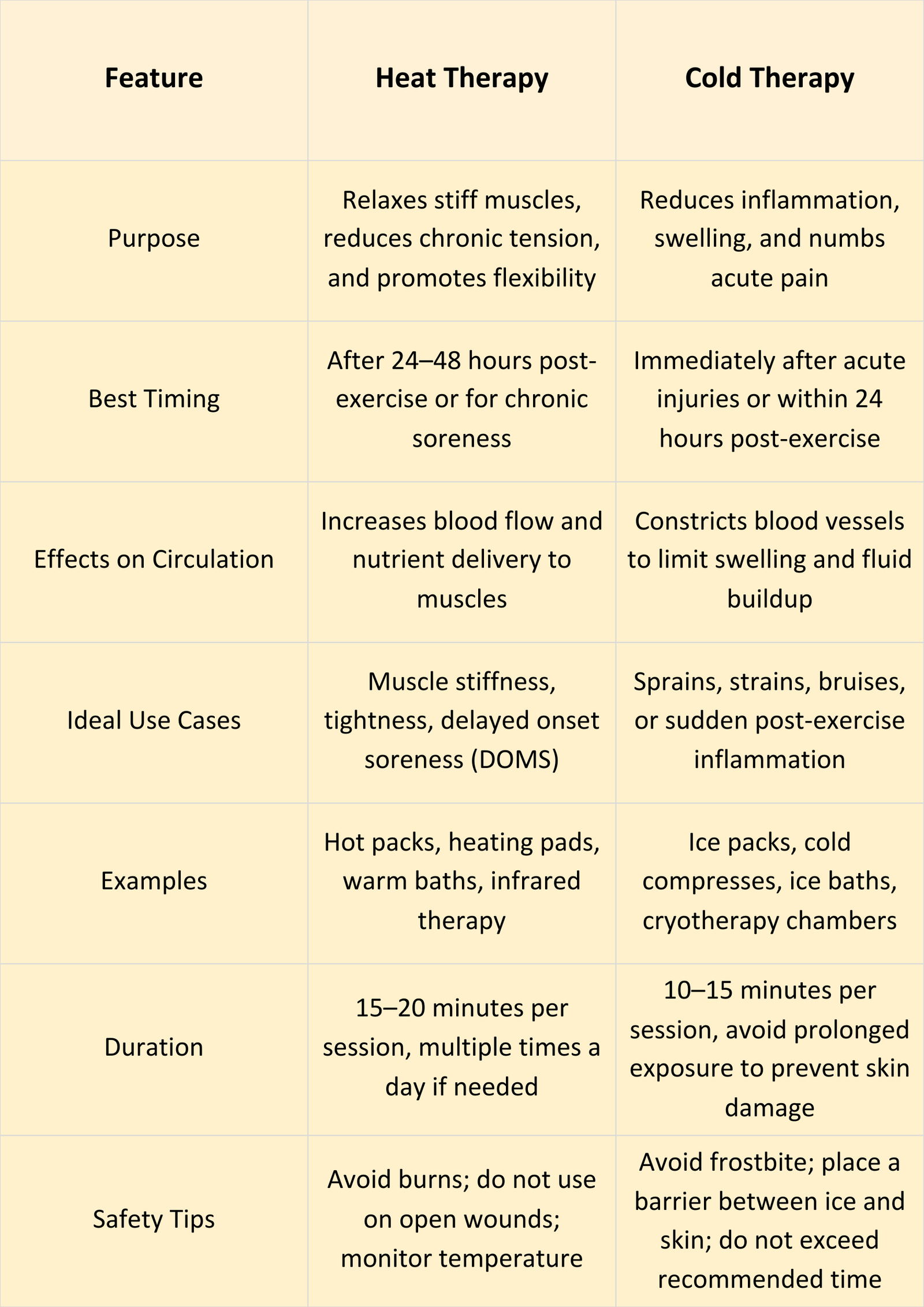
Heat and cold therapy serve different purposes in muscle recovery, depending on timing and type of discomfort. Heat therapy relaxes stiff muscles, improves circulation, and eases chronic tension, making it suitable for delayed-onset muscle soreness or tight areas.
Cold therapy, or cryotherapy, is most effective immediately after acute injuries, reducing inflammation and numbing pain. It is most effective within the first 24 hours post-exercise, when swelling is likely.
Some athletes use contrast therapy, alternating heat and cold, to maximize blood flow and recovery. Matching the method to your symptoms ensures safer, faster, and more effective muscle healing.
When to Use Heat Therapy for Muscle Recovery
Knowing when to use heat therapy helps you get the most benefit with the least risk of irritation or inflammation. Heat isn’t always the best immediate choice after exercise and should be timed carefully for muscle recovery.
- Use heat therapy once the initial inflammation phase has passed, usually 48–72 hours after intense exercise. This allows swelling to settle before increasing blood flow.
- Apply heat when muscles feel stiff or tight, rather than when they are sharply painful or swollen. Gentle warmth will help relax tissues.
- Heat can be helpful before light activity or stretching to loosen muscles and increase flexibility.
- Avoid heat immediately after an acute injury or sharp pain, as it may increase swelling.
- Short sessions (about 15–20 minutes) are generally effective without overheating skin.
Maximize your recovery with the best heating pads for muscle recovery, providing consistent warmth to relieve soreness, improve circulation, and support muscles after intense workouts.
Safety Tips for Using Heat Therapy
Using heat therapy safely ensures maximum benefits while preventing burns or other injuries. Always follow recommended guidelines and listen to your body’s signals during recovery.
- Avoid applying heat immediately after acute injuries or swelling, as it may worsen inflammation.
- Use a barrier, such as a towel, between the heat source and the skin to prevent burns.
- Limit each session to 15–20 minutes and allow skin to cool between applications.
- Do not use heat on open wounds, infections, or areas with poor circulation.
- Consult a healthcare professional if you have heart conditions, diabetes, or nerve disorders.
- Stay hydrated and combine heat therapy with gentle stretching for safer, more effective recovery.
This ensures heat therapy provides relief while minimizing potential risks for healthy, consistent muscle recovery.
FAQs
How long to leave the heat on the muscle?
For effective and safe recovery, apply heat for 15–20 minutes per session. Exceeding this can cause skin irritation or burns. Short, controlled sessions help increase blood flow, relax tight muscles, and reduce soreness. Repeat up to 2–3 times daily if needed, ensuring skin has cooled between applications.
Does heat help speed up healing?
Heat therapy can facilitate faster muscle recovery by improving circulation and delivering oxygen and nutrients to tissues. It relaxes stiff muscles, reduces soreness, and enhances flexibility. However, it does not replace medical treatment for severe injuries. Heat is most effective for chronic soreness or delayed-onset muscle soreness (DOMS) rather than for acute injuries.
Can I use a heating pad every night?
Yes, using a heating pad nightly is generally safe if the temperature is moderate and sessions are limited to 15–20 minutes. Avoid prolonged exposure or very high heat to prevent burns. Always place a barrier, like a towel, between skin and pad. Those with diabetes or poor circulation should consult a doctor first.
Is it better to put heat or ice on a pulled muscle?
For a fresh pulled muscle, ice is recommended during the first 24 hours to reduce swelling and inflammation. Heat is more effective after 24–48 hours for relaxing tight muscles and improving blood flow. Using the right therapy at the proper stage promotes safer, faster recovery. Alternating heat and ice may also help in some cases.
Conclusion
Heat therapy is an effective, natural method to support muscle recovery, reduce soreness, and improve flexibility after workouts. Using techniques such as heating pads, warm baths, or saunas at appropriate times enhances circulation and eases stiffness. Combining heat therapy with proper timing, hydration, and gentle stretching ensures faster recovery and safer, more consistent training results.