
Anger can feel overwhelming, but deep breathing exercises for anger management offer immediate, practical relief. Research from the American Psychological Association shows chronic stress significantly increases irritability and emotional reactivity in adults. When anger triggers the body’s fight-or-flight response, breathing becomes shallow, rapid, and uncontrolled.
Practicing slow, structured breathing helps regulate the nervous system and reduce escalating emotional intensity. In this guide, you’ll discover science-backed techniques that promote calm, clarity, and better self-control. Let’s dive in.
Why Deep Breathing Works for Anger Management
Anger activates the body’s stress response system, often called the fight-or-flight reaction. During this state, your heart rate increases, muscles tighten, and breathing becomes fast and shallow. This rapid breathing signals the brain that a threat is present, even when the situation is not physically dangerous.
Deep breathing exercises for anger management work by reversing this physiological response. Slow, controlled breathing activates the parasympathetic nervous system, which promotes relaxation and emotional balance. As oxygen levels stabilize and carbon dioxide is properly regulated, the body begins to calm down naturally.
Research published by the National Institutes of Health suggests that slow diaphragmatic breathing can significantly reduce stress markers and improve emotional regulation. By focusing on steady inhalations and longer exhalations, you interrupt the anger cycle before it escalates.
Over time, practicing structured breathing techniques trains your brain to respond more calmly in triggering situations. Instead of reacting impulsively, you create space to think clearly and choose a healthier response.
How to Practice Deep Breathing for Anger Control
Before trying advanced techniques, it’s important to understand the foundation of deep breathing exercises for anger management. This simple method can be used anywhere—at home, at work, or during a heated conversation.
Step 1: Find a Comfortable Position
Sit upright in a chair or stand with your shoulders relaxed. Keep your spine straight to allow your lungs to expand fully. If possible, place one hand on your chest and the other on your abdomen.
Step 2: Inhale Slowly Through Your Nose
Breathe in deeply through your nose for four seconds. Focus on expanding your belly rather than your chest. The hand on your abdomen should rise while your chest remains relatively still.
Step 3: Pause Briefly
Hold your breath gently for two to four seconds. This short pause allows oxygen to circulate and signals your nervous system to slow down.
Step 4: Exhale Slowly Through Your Mouth
Release the breath slowly for six to eight seconds. Let your shoulders drop and feel tension leaving your body. A longer exhale is especially powerful for calming anger quickly.
Step 5: Repeat and Refocus
Repeat this cycle for at least five rounds. As you breathe, shift your attention away from the trigger and toward the rhythm of your breath.
Practicing this basic pattern daily strengthens your ability to use deep breathing exercises for anger management effectively when emotions start to rise.
Top Deep Breathing Exercises for Anger Management
Below are powerful, research-supported techniques you can use when anger starts building. Each method helps slow your breathing, relax your body, and regain emotional control quickly.
1. Diaphragmatic Breathing
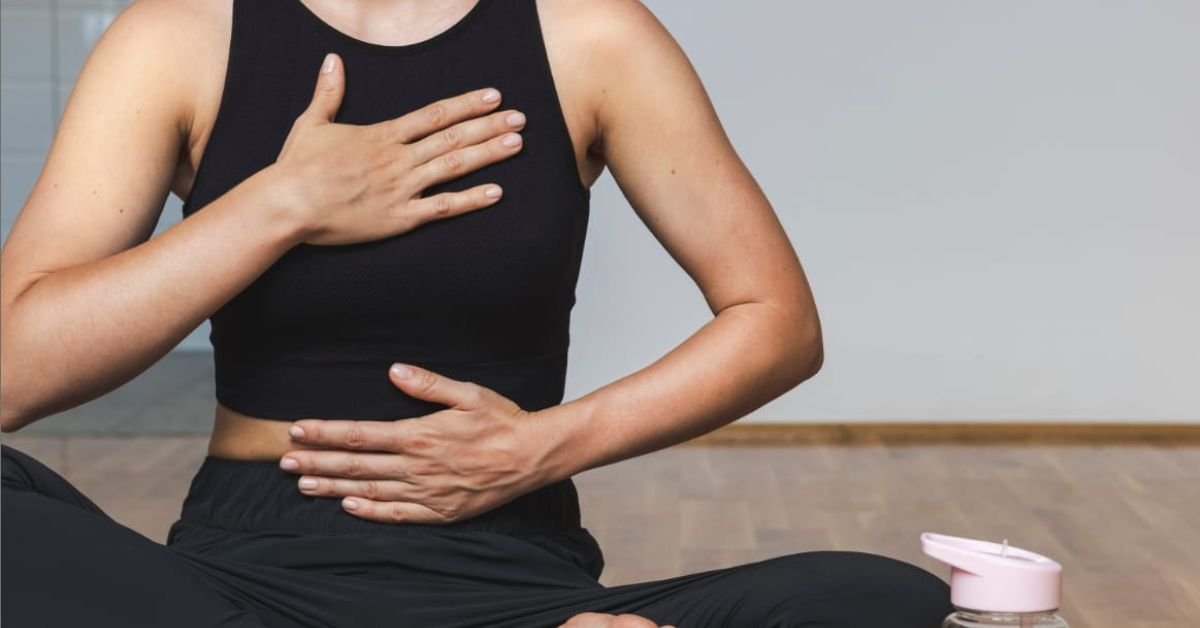
Diaphragmatic breathing is a foundational relaxation technique that promotes full oxygen exchange and reduces physical tension caused by anger. By encouraging deeper belly breaths instead of shallow chest breathing, it lowers heart rate, stabilizes emotions, and improves self-control. Regular practice strengthens your ability to respond calmly during stressful or triggering situations.
How to do it:
- Sit or lie comfortably.
- Place one hand on your chest and one on your abdomen.
- Inhale slowly through your nose for four seconds, letting your belly rise.
- Exhale through your mouth for six seconds.
- Repeat for 5–10 cycles.
2. 4-7-8 Breathing Technique
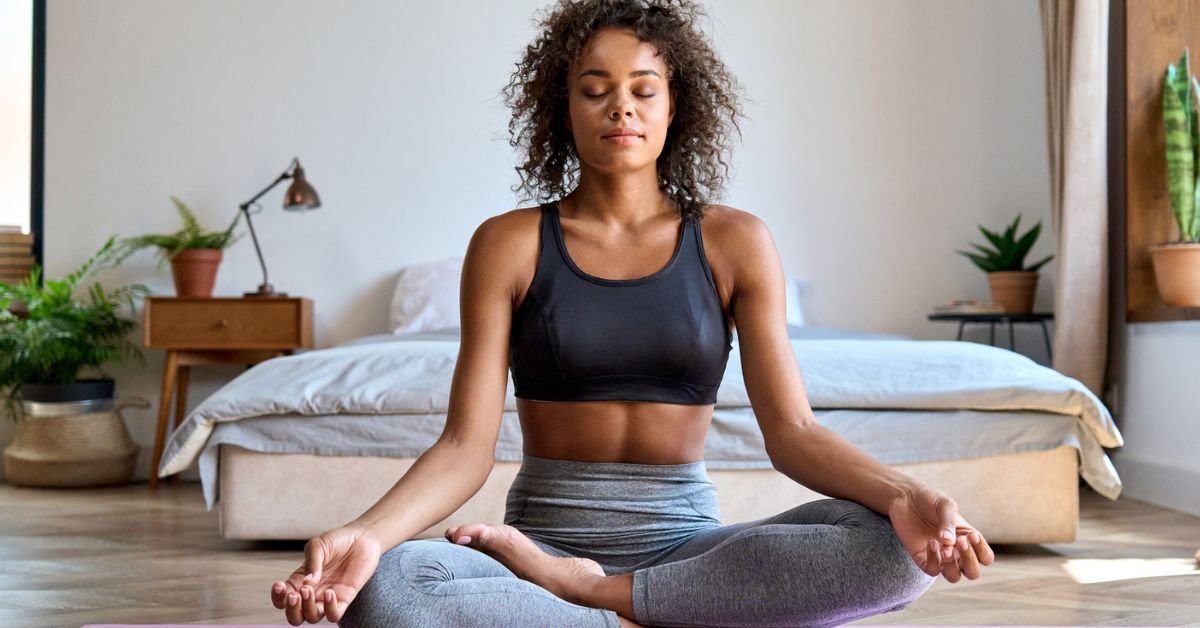
The 4-7-8 breathing technique is structured and rhythmic, making it highly effective during intense anger spikes. Its extended breath retention and slow exhalation activate the body’s natural relaxation response. This pattern reduces emotional reactivity, quiets racing thoughts, and restores mental clarity, helping you regain control before reacting impulsively.
How to do it:
- Inhale through your nose for 4 seconds.
- Hold your breath for 7 seconds.
- Exhale slowly through your mouth for 8 seconds.
- Repeat four cycles.
3. Box Breathing
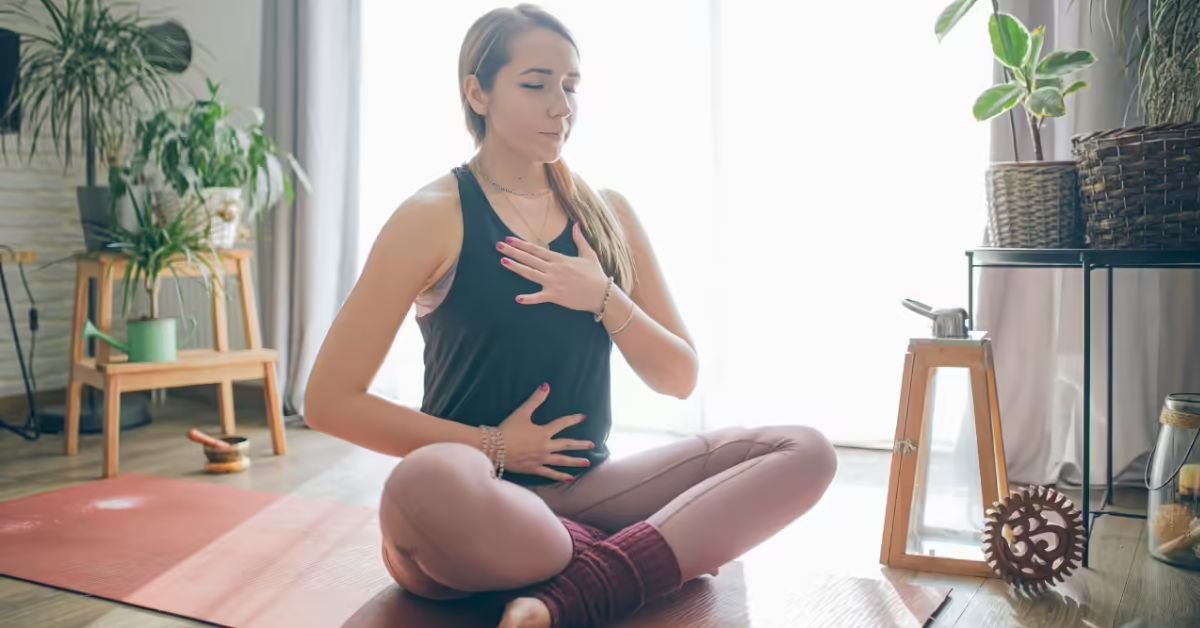
Box breathing uses equal timing for inhaling, holding, exhaling, and pausing, which creates balance in the nervous system. This steady rhythm reduces stress hormones, improves concentration, and prevents emotional escalation. It is particularly helpful when anger interferes with decision-making, allowing you to slow down and think before responding.
How to do it:
- Inhale for 4 seconds.
- Hold for 4 seconds.
- Exhale for 4 seconds.
- Hold again for 4 seconds.
- Repeat several rounds.
4. Alternate Nostril Breathing
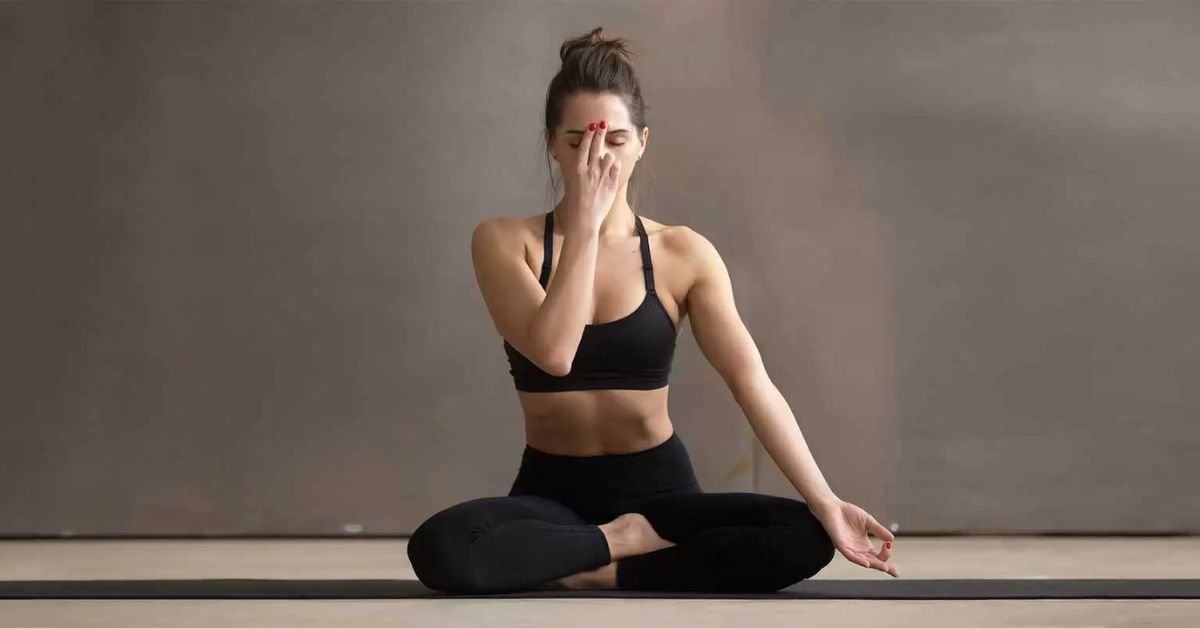
Alternate nostril breathing supports emotional balance by regulating airflow through both nasal passages. This technique encourages mental clarity, reduces agitation, and promotes inner calm. It is especially helpful when anger lingers or feels difficult to release, as it gently shifts your focus away from frustration and toward controlled breathing.
How to do it:
- Close your right nostril and inhale through the left.
- Close the left nostril and exhale through the right.
- Inhale through the right nostril.
- Switch and exhale through the left.
- Continue for one to two minutes.
5. Pursed-Lip Breathing

Pursed-lip breathing is a simple yet powerful method for slowing rapid breathing during anger episodes. By extending the exhale, it reduces shortness of breath, lowers physical tension, and helps calm racing emotions. This technique is easy to use discreetly, making it ideal for public situations or heated conversations.
How to do it:
- Inhale slowly through your nose for two seconds.
- Purse your lips gently.
- Exhale slowly for four seconds.
- Repeat until calm returns.
When to Use Deep Breathing Exercises for Anger Management
Knowing when to apply deep breathwork exercises for anger management is just as important as learning how to practice them. Anger often builds gradually, giving you early warning signs before it escalates. Recognizing these signals allows you to intervene before emotions take control.
1. At the First Sign of Irritation
Use breathing techniques when you notice physical cues like clenched fists, a tight jaw, or a racing heartbeat. Acting early prevents minor frustration from turning into a full emotional outburst.
2. During Heated Conversations
If a discussion becomes tense, pause and take several slow breaths before responding. This short reset helps you choose thoughtful words instead of reacting impulsively.
3. While Driving or in Traffic
Road situations can quickly trigger anger. Practicing controlled breathing at stoplights or during delays helps maintain patience and reduce stress.
4. Before Addressing a Conflict
If you need to confront someone about an issue, take a few minutes to practice deep breathing beforehand. Entering the conversation calmly improves communication and reduces defensiveness.
5. As a Daily Preventive Habit
Deep breathing exercises for anger management are most effective when practiced consistently. Daily sessions strengthen emotional regulation skills, making it easier to stay calm even in unexpected situations.
Additional Tips for Anger Control
Managing anger effectively requires more than just deep breathing exercises. Combining awareness, mindfulness, and healthy habits strengthens emotional regulation and prevents frustration from escalating unnecessarily.
- Recognize early warning signs: Notice physical cues like clenched fists, rapid heartbeat, or shallow breathing.
- Take a timeout: Step away briefly to calm your body before responding.
- Combine with mindfulness or meditation: Observe emotions without judgment to enhance calmness.
- Practice regularly: Daily sessions train your nervous system for better anger management.
- Maintain a healthy lifestyle: Adequate sleep, nutrition, and exercise improve emotional stability.
FAQs
1. How many deep breaths should I take to calm down?
Taking 5–10 slow, controlled breaths usually helps reduce anger quickly. Focus on full inhalations and longer exhalations to activate relaxation and regain emotional control before reacting impulsively.
2. Can deep breathing stop anger instantly?
While it may not eliminate anger completely, deep breathing exercises for anger management significantly lower intensity, slow your heart rate, and help you think clearly, preventing impulsive reactions and promoting calmer responses.
3. How often should I practice deep breathing?
Practicing daily, even when calm, strengthens your nervous system and improves emotional regulation. Regular practice makes it easier to use deep breathing exercises for anger management effectively during stressful situations.
4. Are there specific techniques best for sudden anger?
Techniques like 4-7-8 breathing, pursed-lip breathing, and diaphragmatic breathing are highly effective for immediate calming. These exercises slow your breathing, reduce tension, and help prevent impulsive reactions during intense anger spikes.
5. Can deep breathing help long-term anger issues?
Yes, consistent practice of deep breathing exercises improves emotional resilience over time. It reduces chronic irritability, strengthens self-control, and complements mindfulness or therapy for managing anger more effectively.
6. Is it okay to combine breathing with other relaxation methods?
Absolutely. Pairing deep breathing with meditation, mindfulness, or short walks enhances its calming effects. Combined strategies help regulate emotions, reduce stress, and build long-term anger management skills.
Conclusion
Deep breathing exercises for anger management provide a simple, effective way to calm your mind and body. By practicing techniques like diaphragmatic, 4-7-8, and box breathing, you can reduce emotional intensity, respond thoughtfully, and build long-term self-control. Consistent practice, combined with mindfulness and healthy habits, transforms anger into manageable, constructive energy.