
Depression often disrupts emotional balance, making calm feel distant and daily experiences overwhelming for many people across different life situations. Relaxation for depression focuses on gentle practices that reduce mental strain and support emotional safety over time in everyday life.
Creating a safe inner space allows individuals to pause, breathe, and reconnect with a sense of internal stability and emotional calm. In this article, we will explore practical relaxation techniques that help cultivate inner calm and encourage healthier emotional responses. Let’s dive in.
Depression and Emotional Safety
Depression affects how individuals think, feel, and respond to daily life, often causing persistent sadness and emotional strain. Research shows depression is linked to heightened stress responses and increased activity in brain areas tied to negative thinking. These patterns can intensify emotional distress and make it harder to feel safe internally.
Relaxation practices help calm these stress responses and support healthier emotional regulation over time. Creating emotional safety allows individuals to build a stable inner space that supports resilience during depressive periods.
The Role of Relaxation in Managing Depression
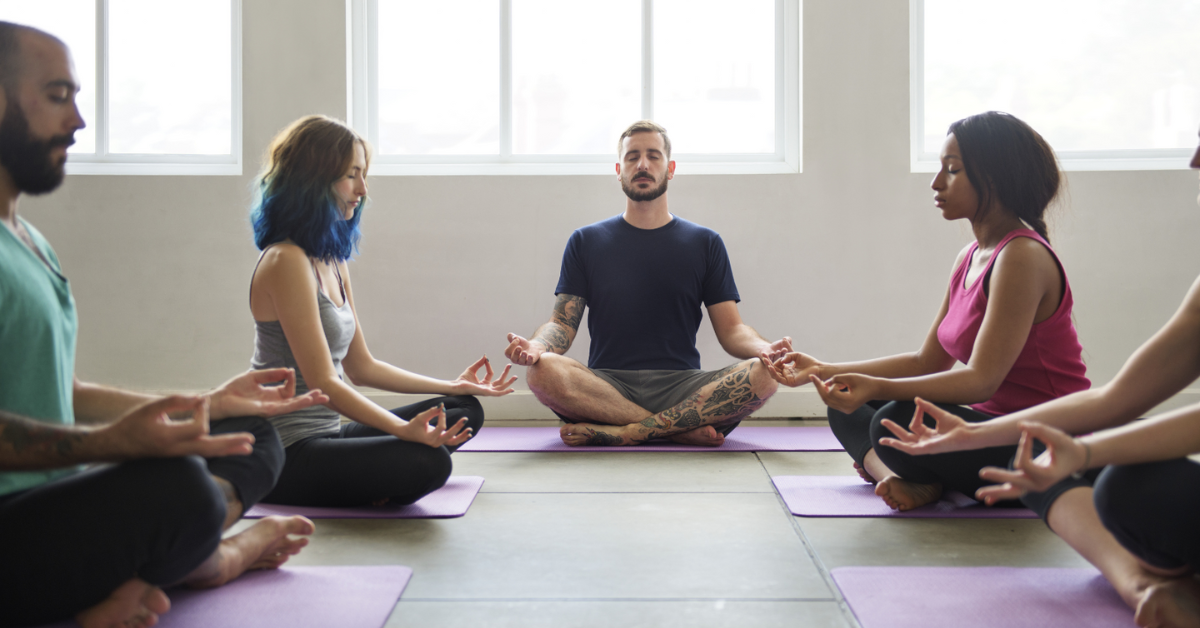
Relaxation supports depression recovery by calming stress responses.
Calming the Nervous System
Relaxation techniques activate the parasympathetic nervous system, which lowers stress hormones and promotes internal calm. Consistent practice helps reduce heart rate, ease muscle tension, and regulate breathing. This physiological shift supports emotional stability, counteracting chronic stress that can worsen depressive symptoms.
Reducing Depressive Symptoms
Research shows that regular relaxation significantly decreases self-reported depressive symptoms. While it may not replace structured therapy, relaxation improves mood and reduces feelings of overwhelm. Daily practice helps individuals manage negative thought patterns and experience greater emotional ease in everyday life.
Supporting Emotional Regulation
Relaxation enhances awareness of internal states, helping people respond calmly to challenging thoughts. Techniques like mindful breathing, visualization, and meditation reduce rumination common in depression. Over time, this practice strengthens emotional regulation, fostering a safe inner space during stressful or depressive moments.
Complementing Other Treatments
Relaxation methods are safe, low-cost, and accessible, making them an excellent complement to therapy or medication. Practices such as progressive muscle relaxation or guided imagery support overall mental health and can be integrated into broader treatment plans.
Deep Breathing Techniques for Mental Relaxation
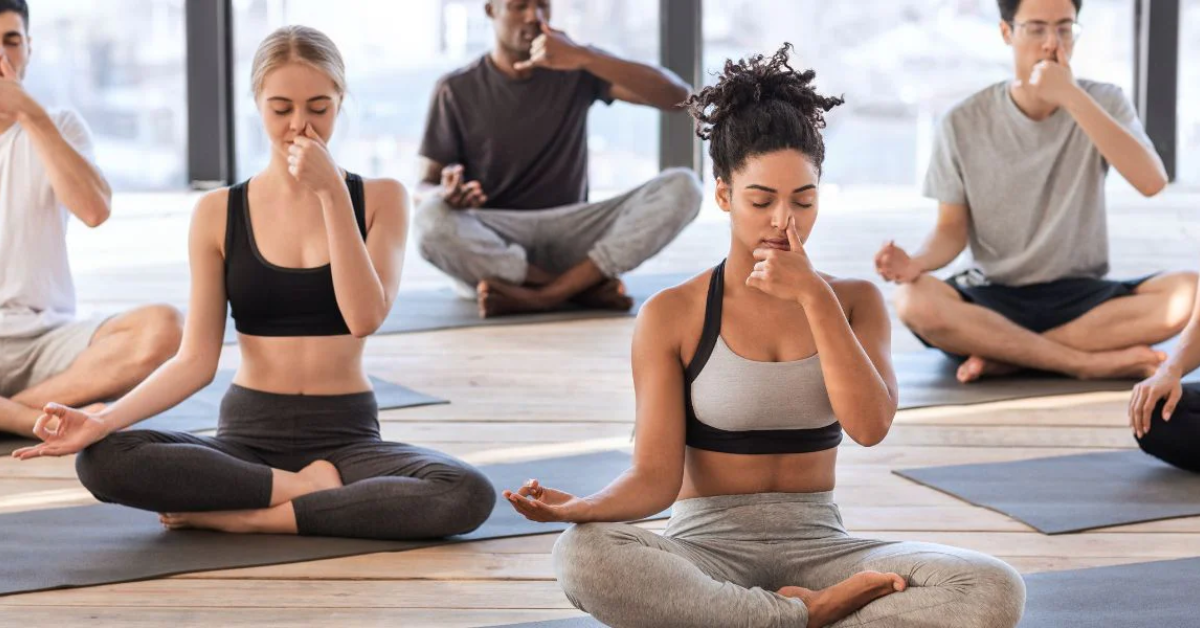
Deep breathing is a simple yet powerful technique that reduces stress, lowers heart rate, and improves oxygen flow to the brain. Regular practice can enhance emotional balance, relieve depressive symptoms, improve focus, and promote a sense of calm, making it an effective tool for creating a safe inner space.
How to Practice Deep Breathing
- Sit or lie comfortably in a quiet space.
- Inhale slowly through your nose, filling your lungs from the diaphragm.
- Hold your breath gently for 2–4 seconds.
- Exhale slowly and completely through your mouth.
- Repeat for 5–10 minutes daily to experience consistent calming effects.
- Try variations like box breathing (inhale 4, hold 4, exhale 4, hold 4) or the 4‑7‑8 method for deeper relaxation.
Mindfulness and Meditation for Inner Calm
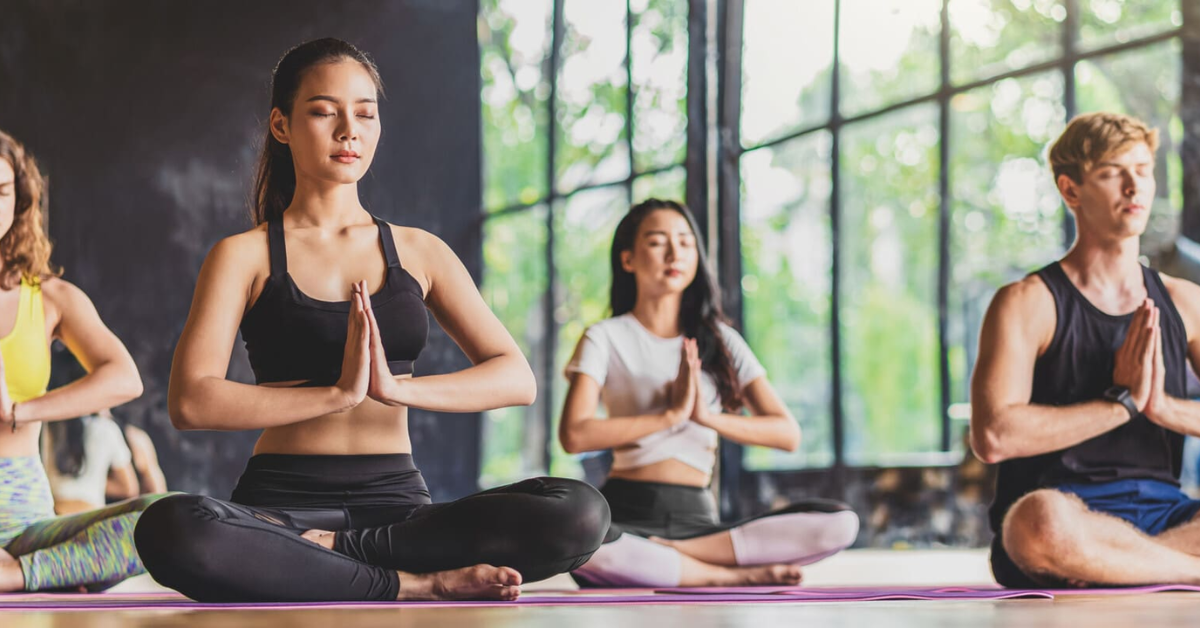
Mindfulness and meditation help reduce stress, enhance emotional regulation, and improve focus. Regular practice can ease depressive symptoms, increase self-awareness, and foster a sense of inner peace. These techniques cultivate a safe mental space, allowing individuals to respond calmly to challenging thoughts and emotions.
How to Practice Mindfulness and Meditation
- Find a quiet, comfortable place to sit or lie down.
- Close your eyes and focus on your breath, noticing each inhale and exhale.
- Observe thoughts without judgment, gently returning attention to your breath when distracted.
- Start with 5–10 minutes daily, gradually increasing as comfortable.
- Use guided meditation apps or recordings to support regular practice.
- Incorporate mindfulness into daily activities, like mindful walking or eating, to maintain calm awareness throughout the day.
Guided Imagery and Visualization
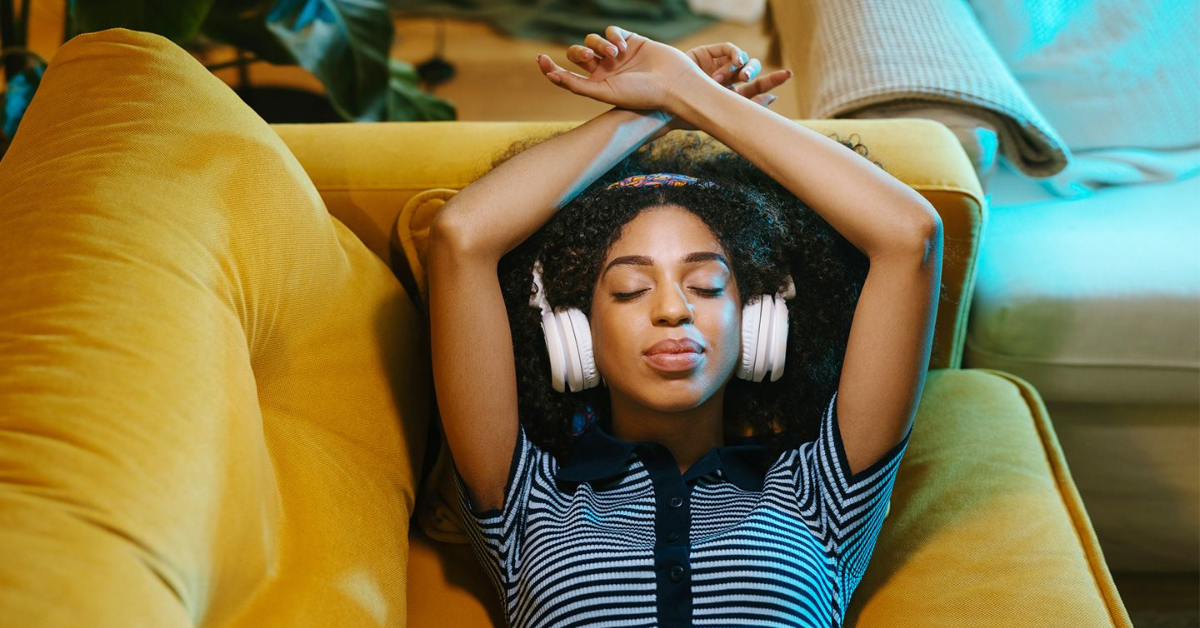
Guided imagery reduces stress and promotes emotional balance by encouraging the mind to imagine calming, peaceful scenes. It can decrease anxiety and depressive symptoms when practiced consistently. Visualizing safe, serene environments helps the nervous system shift into relaxation mode. This technique improves focus, enhances mood, and strengthens emotional regulation. Regular practice also supports better sleep and cultivates a safe inner space during stressful or challenging moments.
How to Practice Guided Imagery
- Find a quiet, comfortable space where you can sit or lie down without interruption.
- Close your eyes and take several slow, deep breaths to settle your mind.
- Imagine a peaceful scene that makes you feel safe, like a beach, forest, or quiet meadow.
- Engage all your senses: hear sounds, feel breezes, smell scents, and notice colors.
- Visualize yourself moving through the scene, observing details with relaxed focus.
- Continue the imagery for 10–15 minutes, breathing slowly and calmly throughout.
- When finished, take a few grounding breaths, then gently open your eyes.
Progressive Muscle Relaxation and Body Awareness
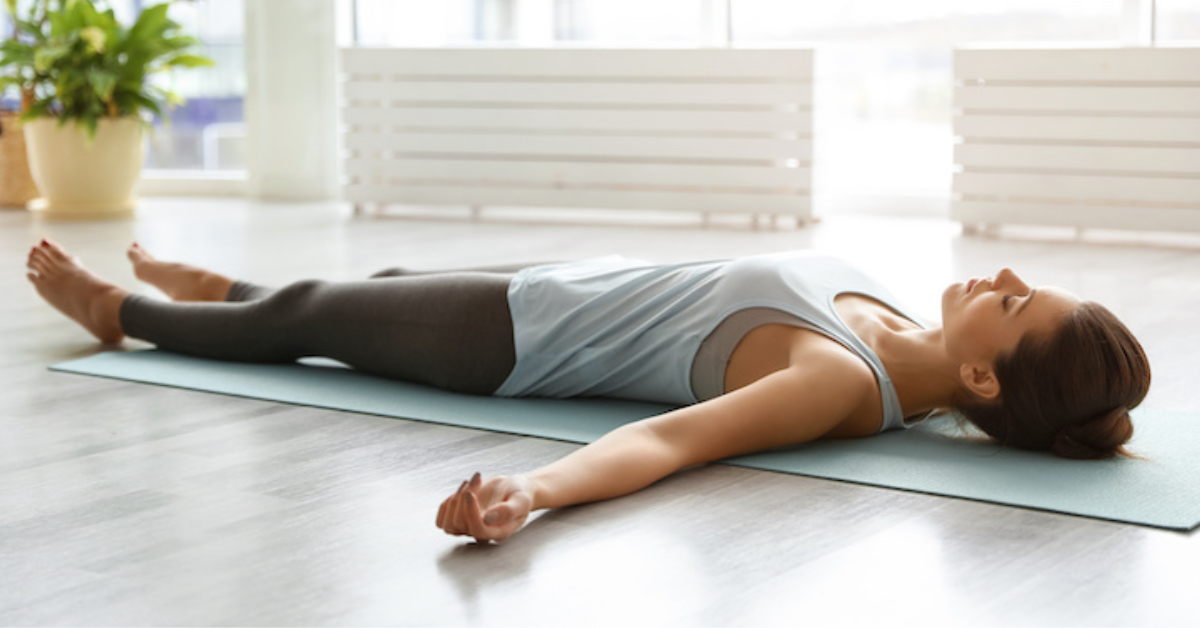
Progressive muscle relaxation and body awareness reduce physical tension, lower stress, and support emotional regulation. Regular practice improves mind-body connection, increases self-awareness, and enhances a sense of safety. These techniques relieve depressive symptoms, promote relaxation, and help cultivate a calm, balanced inner space for mental well-being.
How to Practice Progressive Muscle Relaxation
- Sit or lie comfortably in a quiet, distraction-free space.
- Begin with your feet, tense muscles for 5–10 seconds, then release slowly.
- Move progressively upward: calves, thighs, abdomen, hands, arms, shoulders, neck, and face.
- Focus on the difference between tension and relaxation in each area.
- Breathe slowly and deeply throughout the exercise.
- Repeat daily or whenever feeling stressed to enhance relaxation and awareness.
Creating a Daily Relaxation Routine
Establishing a daily relaxation routine helps reduce stress, improve emotional regulation, and support mental well-being. Consistent practice strengthens resilience, enhances mood, and promotes a sense of safety. A structured routine ensures relaxation techniques become habitual, making it easier to manage depressive symptoms and maintain a calm inner space.
How to Create a Daily Relaxation Routine
- Set aside 10–20 minutes each day for relaxation practice.
- Choose techniques that suit your preferences: deep breathing, mindfulness, or guided imagery.
- Start with shorter sessions and gradually increase duration as comfortable.
- Pick a consistent time of day to build habit and consistency.
- Track your progress or feelings to notice improvements over time.
- Adjust techniques or timing as needed to maintain engagement and effectiveness.
Complementary Relaxation Practices
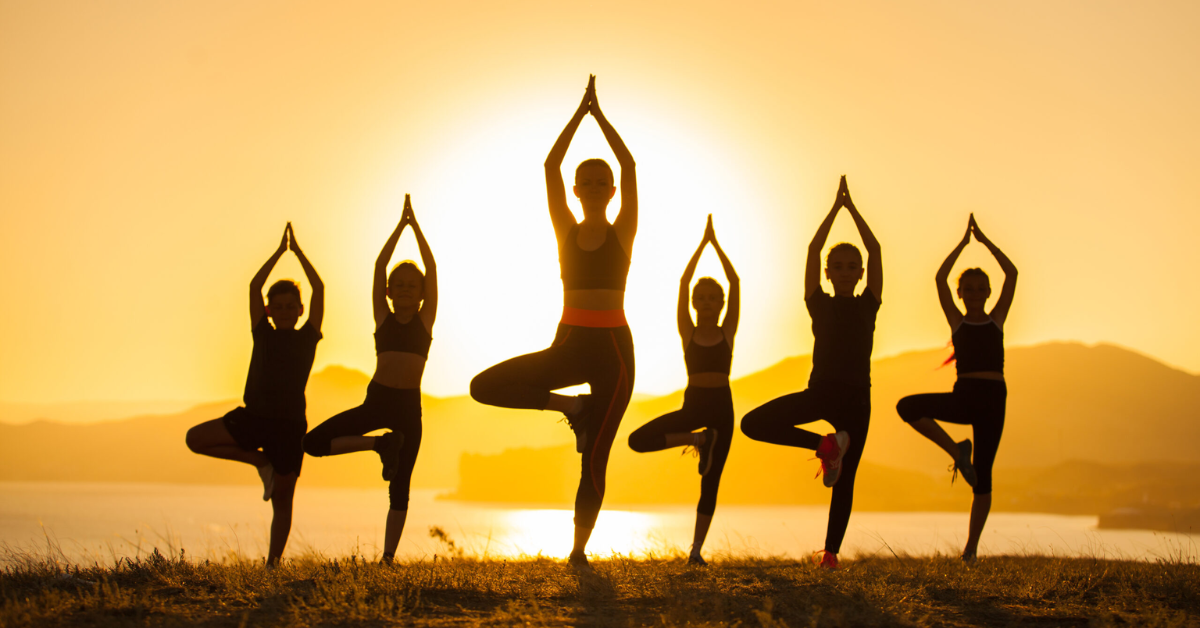
Complementary relaxation practices support mental and emotional well-being by combining movement, creativity, and sensory awareness. Activities like yoga, tai chi, art, or music enhance mind-body connection, reduce stress, and cultivate inner calm. Integrating these practices can strengthen relaxation routines, improve mood, and create a safe, balanced inner space.
How to Practice Complementary Relaxation Techniques
- Try gentle movement exercises like yoga or tai chi for flexibility, focus, and calm.
- Engage in creative activities such as painting, drawing, or music to release emotions.
- Practice mindful walking or nature observation to enhance presence and awareness.
- Use aromatherapy or calming sounds to stimulate the senses and relax the mind.
- Dedicate 10–20 minutes daily or several times a week to these activities.
- Combine multiple techniques to create a personalized relaxation plan that feels supportive and enjoyable.
When to Seek Professional Support
While relaxation techniques can reduce stress and support emotional balance, professional guidance is essential when depressive symptoms persist or worsen. Seeking help ensures proper assessment, treatment, and safety.
Combining relaxation with therapy or medical care provides comprehensive support, improving recovery outcomes and maintaining long-term mental health. Individuals should consider professional support if symptoms interfere with daily functioning, including sleep disturbances, loss of interest, or persistent sadness.
Licensed therapists can offer evidence-based interventions like cognitive-behavioral therapy, while physicians may recommend medication when necessary. Relaxation serves as a complementary tool alongside these treatments, enhancing coping strategies and promoting a sense of calm and safety.
Regular check-ins with professionals also guide the tailoring of relaxation techniques effectively and monitoring progress over time.
Conclusion
Relaxation techniques are powerful tools for managing depressive symptoms and cultivating a safe inner space. Practices like deep breathing, mindfulness, guided imagery, and progressive muscle relaxation reduce stress, improve emotional regulation, and enhance overall well-being. When combined with professional support, these methods foster resilience, calm, and a healthier, balanced mind in daily life.