
Anxiety can feel overwhelming, affecting both your mind and body throughout daily life. Self-compassion meditation offers a gentle, effective way to reduce stress. By treating yourself with kindness rather than judgment, you can create inner calm. This practice combines mindfulness with self-acceptance to soothe anxious thoughts and emotions. In this guide, you will discuss self compassion meditation for anxiety relief, explore practical techniques, and discover simple ways to integrate it into your daily routine. Let’s dive in.
What is Self-Compassion?
Self-compassion means treating yourself with the same kindness you would offer a close friend. It encourages understanding instead of self-criticism. There are three core elements of self-compassion. First, self-kindness versus self-judgment, which helps you respond gently to your struggles.
Second, common humanity versus isolation, reminding you that everyone experiences challenges and anxiety. Third, mindfulness versus over-identification, allowing you to observe emotions without becoming overwhelmed.
Practicing self-compassion can reduce anxiety by creating a supportive, non-judgmental mindset. It fosters emotional resilience and promotes overall mental well-being.
How Self-Compassion Meditation Helps with Anxiety
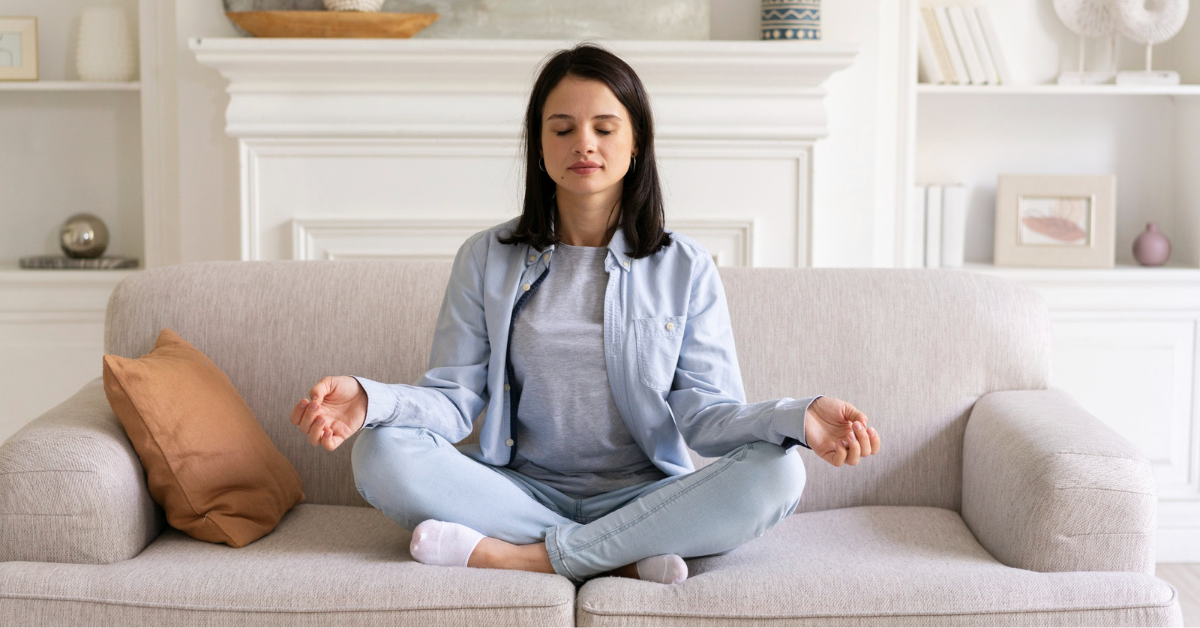
Self-compassion meditation teaches you to respond to anxious thoughts with kindness instead of judgment. This reduces stress and mental strain.
Regular practice can calm the nervous system, lowering physiological symptoms of anxiety like a racing heart and shallow breathing. It also strengthens emotional regulation, helping you respond to stress more effectively.
Research shows that self-compassion meditation can change brain patterns, supporting a more relaxed, balanced mental state. Over time, it encourages patience, resilience, and a greater sense of inner peace.
Key Benefits of Self-Compassion Meditation
Practicing self-compassion meditation can transform your mental health. It reduces anxiety, fosters resilience, and encourages kindness toward yourself.
1. Reduces Anxiety and Stress
Self-compassion meditation helps you respond gently to anxious thoughts instead of reacting with fear or judgment. This reduces mental tension, lowers stress hormone levels, and calms your nervous system. Over time, regular practice creates a more relaxed mind, helping you navigate daily challenges without feeling overwhelmed or consumed by worry.
2. Builds Emotional Resilience
By cultivating self-kindness, meditation strengthens your ability to recover from setbacks. You learn to face difficulties with patience and confidence. Emotional resilience grows as you accept challenges without harsh self-criticism. This practice helps you remain grounded during stress, allowing you to respond thoughtfully rather than react impulsively to anxiety or difficult emotions.
3. Encourages Positive Self-Talk
Self-compassion meditation replaces harsh, critical inner dialogue with supportive, nurturing words. This positive self-talk reduces feelings of inadequacy and self-doubt. By consistently practicing kindness toward yourself, you build a mental habit of encouragement. Over time, this approach promotes inner peace, self-acceptance, and a more confident, calm mindset during anxious moments.
4. Improves Relationships and Social Support

Being compassionate toward yourself naturally extends empathy to others. You become more understanding, patient, and less judgmental in interactions. This strengthens social bonds and creates a supportive environment. People respond positively to your calm, kind presence, and you are better able to give and receive emotional support, reducing feelings of isolation.
5. Promotes Overall Well-Being
Regular self-compassion meditation boosts mindfulness, emotional stability, and mental clarity. It improves mood, reduces stress-related physical symptoms, and encourages healthy coping habits. Over time, these benefits enhance overall life satisfaction and emotional balance. Daily practice supports a sustainable sense of inner calm, making you more present, centered, and resilient in everyday life.
Step-by-Step Self-Compassion Meditation Practices
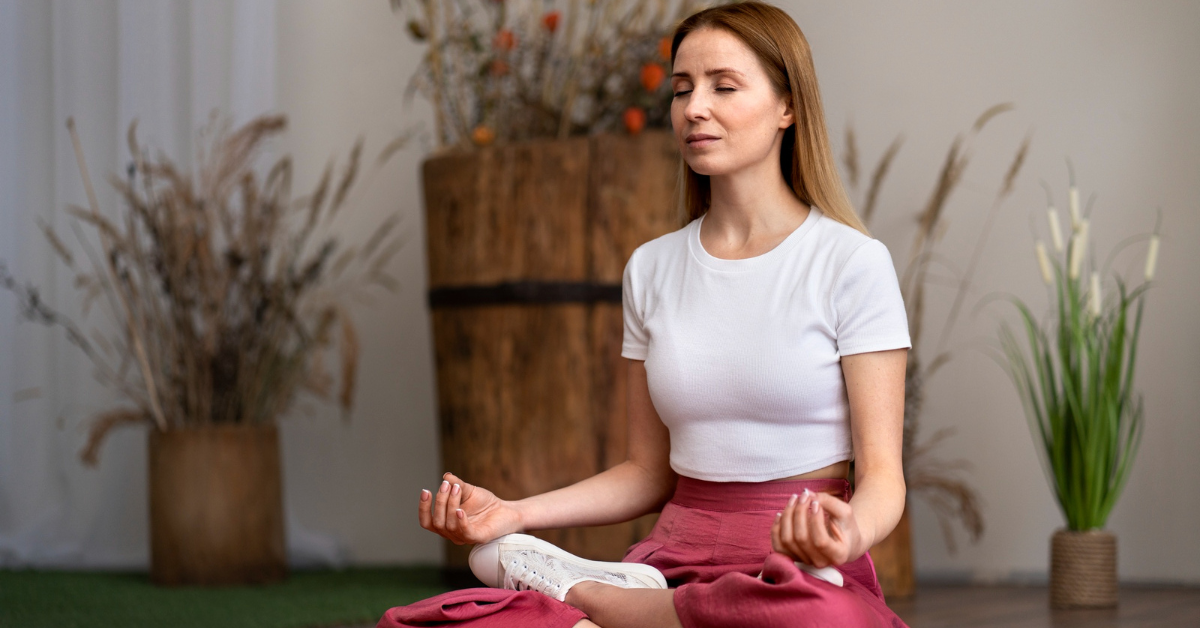
Self-compassion meditation is simple but powerful. With regular practice, it can reduce anxiety and create lasting calm. Here are three practical approaches:
1. Short Guided Self-Compassion Meditation
Sit comfortably and close your eyes. Focus on your breath, noticing each inhale and exhale. Repeat gentle phrases like:
“May I be kind to myself. May I feel peace and ease.”
Practice for 3–10 minutes daily. Short sessions are ideal for beginners and busy schedules.
2. Deep Self-Compassion Meditation
Find a quiet space and sit or lie down. Focus on a challenging emotion or anxious thought. Visualize holding yourself with warmth and care. Slowly repeat phrases like:
“It’s okay to feel this. I am here for myself.”
Practice 15–20 minutes, allowing thoughts to arise without judgment.
3. Daily Self-Compassion Rituals
Incorporate brief self-compassion exercises into daily routines. Examples include writing a kind note to yourself, pausing to breathe during stress, or silently repeating supportive affirmations. Even one to two minutes several times a day can reduce tension, shift your mindset, and reinforce the habit of treating yourself with care.
Tips for Beginners
Starting self-compassion meditation may feel unfamiliar, but adopting small, consistent habits makes it easier. Follow these beginner-friendly strategies to get the most from your practice.
1. Begin with Short Sessions
If you are new to meditation, start with just 3–5 minutes each day. Short sessions prevent frustration and make the habit manageable. Over time, gradually increase the duration as you feel more comfortable. Remember, consistency matters more than length. Regular practice, even if brief, builds a strong foundation for reducing anxiety and fostering self-kindness.
2. Choose a Quiet Space
Select a calm, distraction-free environment for meditation. This could be a quiet room, a cozy corner, or even a peaceful outdoor spot. A serene setting helps you focus, enhances relaxation, and allows emotions to surface safely. Minimizing interruptions supports deeper self-reflection and creates a safe space for practicing self-compassion.
3. Use Guided Meditations or Apps
Beginner-friendly guided meditations or smartphone apps provide structure and step-by-step instructions. They help you stay focused and learn proper techniques without feeling lost. Following a guide can make meditation feel approachable, boost motivation, and provide reassurance. Many apps also include reminders, timers, and calming background sounds to enhance your practice.
4. Be Patient with Yourself
It’s normal for your mind to wander or for progress to feel slow. Avoid self-judgment when distractions occur. Gently bring your focus back to your breath or compassionate phrases. Patience allows you to build self-kindness naturally. Over time, this mindset strengthens your ability to respond to anxiety with calmness rather than frustration.
5. Establish a Routine
Practice self-compassion meditation at the same time every day to make it a habit. Linking meditation to daily activities, like morning coffee or bedtime, helps with consistency. A routine signals your mind to prepare for mindfulness. Consistent meditation builds resilience, reduces stress, and reinforces self-kindness over time.
Common Mistakes to Avoid
Even beginners can make small errors that reduce meditation’s effectiveness. Avoid these common pitfalls:
- Trying too hard to stop thoughts: Meditation isn’t about clearing your mind completely; gently observe thoughts instead.
- Being overly critical about progress: Comparing yourself to others or expecting perfection undermines self-compassion.
- Expecting immediate results: Benefits accumulate over time; patience and consistency are key.
- Meditating in a distracting environment: Noise and interruptions reduce focus; choose a quiet, safe space.
- Skipping consistency: Regular daily practice, even a few minutes, is essential for lasting benefits.
Enhance Your Meditation Practice with Relaxation Republic
Relaxation Republic offers carefully selected products that support calmness and mindfulness during meditation and everyday life. Their essential oils and aromatherapy blends fill your space with soothing scents.
Using a quality diffuser enhances your practice, creating a peaceful environment for self-reflection and emotional balance. Alongside these products, Relaxation Republic provides wellness tips and tools that make self-care easier, empowering you to feel grounded, relaxed, and more resilient against anxiety.
Conclusion
Self-compassion meditation is a powerful tool for reducing anxiety, improving emotional resilience, and fostering inner calm. By practicing kindness toward yourself, you can transform stressful thoughts into moments of awareness and acceptance.
Consistent meditation, combined with supportive tools like Relaxation Republic’s calming products, enhances your practice and daily well-being. Start small, stay patient, and make self-compassion a daily habit to experience lasting peace and balance.