
In today’s fast-paced world, stress and mental clutter are common challenges many face daily. Breathwork offers a simple yet powerful way to regain calm. By focusing on your breathing patterns, you can quickly reduce anxiety and tension. Practicing breathwork exercises can bring instant clarity, helping you make better decisions and feel more grounded. Whether you are at home, work, or on the go, incorporating these techniques can enhance emotional balance and overall well-being.
What is Breathwork?
Breathwork is the conscious practice of controlling your breathing to influence physical, mental, and emotional states. It involves techniques that regulate the pace, depth, and rhythm of your breath. These exercises help calm the nervous system and reduce the body’s stress hormones.
Regular practice can enhance focus, boost energy levels, and improve overall mental clarity. Breathwork is accessible to anyone and can be performed anywhere, making it a versatile tool for instant calm and clarity.
Benefits of Breathwork Exercises

Breathwork exercises offer both mental and physical benefits, helping to reduce stress, improve focus, and bring instant calm and clarity.
1. Reduces Stress and Anxiety
Breathwork exercises help lower stress by calming the nervous system and reducing cortisol levels. Controlled breathing slows the heart rate. This relaxation response helps manage anxiety effectively. Practicing regularly creates resilience against daily stressors. Simple techniques, such as deep belly breathing, can provide instant relief. Over time, stress becomes more manageable naturally.
2. Improves Focus and Mental Clarity
By regulating your breathing, breathwork increases oxygen flow to the brain, enhancing concentration and mental sharpness. It helps clear mental clutter. These exercises can be practiced before work or during study sessions to improve productivity. Breathwork encourages mindfulness, allowing better decision-making. Daily practice strengthens cognitive performance and mental alertness.
3. Enhances Emotional Balance
Breathwork stabilizes emotions by regulating the nervous system. Controlled breathing reduces feelings of irritability or overwhelm. It encourages a sense of calm and presence. Emotional resilience increases with regular practice. By bringing awareness to your breath, you learn to respond rather than react. Over time, mood swings decrease naturally.
4. Boosts Energy Levels
Breathwork increases oxygen supply, revitalizing both body and mind. This helps reduce fatigue and lethargy. Energy levels rise naturally without the need for stimulants like caffeine. Regular practice enhances endurance and overall vitality. Short breathwork sessions can refresh the mind during midday slumps. This improves alertness and motivation throughout the day.
5. Promotes Better Sleep and Relaxation
Practicing calming breathwork before bed can help prepare the body for a restful sleep. It reduces tension and quiets racing thoughts. Techniques like 4-7-8 breathing signal the body to relax. Improved sleep quality supports overall health and well-being. Regular practice strengthens your body’s natural relaxation response.
How to Prepare for Breathwork
Before starting breathwork, proper preparation ensures maximum benefits and a calm, focused session. Setting up your environment and mindset is key to success. Steps to prepare:
- Find a quiet, comfortable space free from distractions.
- Sit or lie down in a relaxed position with your spine straight.
- Close your eyes to enhance focus.
- Take a few regular breaths to settle into the moment.
- Set a clear intention for your session, such as calm or clarity.
Breathwork Techniques for Instant Calm and Clarity
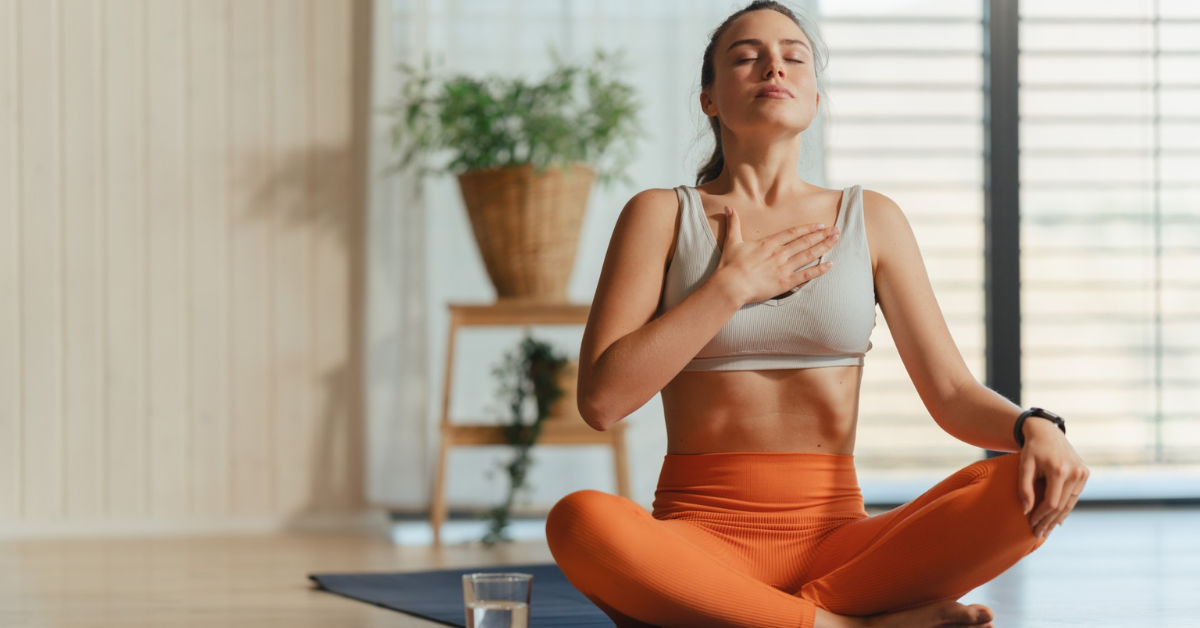
Here are some standard breathwork techniques for instant calm and clarity.
1. Box Breathing
Box breathing helps calm the mind, reduce stress, and improve focus. It balances the nervous system and brings a sense of control over your breath and thoughts.
Steps:
- Inhale slowly for 4 counts.
- Hold your breath for 4 counts.
- Exhale gently for 4 counts.
- Hold again for 4 counts.
- Repeat for 4–5 minutes.
2. 4-7-8 Breathing
The 4-7-8 technique promotes deep relaxation and helps reduce anxiety. It slows heart rate and signals your body to enter a calm state.
Steps:
- Inhale quietly through your nose for 4 counts.
- Hold your breath for 7 counts.
- Exhale completely through your mouth for 8 counts.
- Repeat for 4 cycles.
3. Alternate Nostril Breathing (Nadi Shodhana)
Alternate nostril breathing balances the left and right brain hemispheres. It reduces stress, improves focus, and encourages emotional stability.
Steps:
- Close your right nostril with your thumb.
- Inhale deeply through the left nostril.
- Close the left nostril and exhale through the right.
- Inhale through the right nostril, then exhale through the left.
- Repeat for 5–10 cycles.
4. Deep Belly Breathing
Deep belly breathing increases oxygen flow, calms the nervous system, and reduces tension. It encourages relaxation and mental clarity.
Steps:
- Sit or lie comfortably.
- Place one hand on your belly.
- Inhale deeply through your nose, feeling your abdomen rise.
- Exhale slowly through your mouth.
- Repeat for 5–10 minutes.
5. Coherent Breathing
Coherent breathing improves focus, reduces anxiety, and stabilizes the heart rate. It promotes a harmonious mind-body connection.
Steps:
- Inhale gently for 5 counts.
- Exhale gently for 5 counts.
- Maintain a steady, relaxed rhythm.
- Practice for 10–20 minutes daily.
Tips to Maximize the Benefits of Breathwork
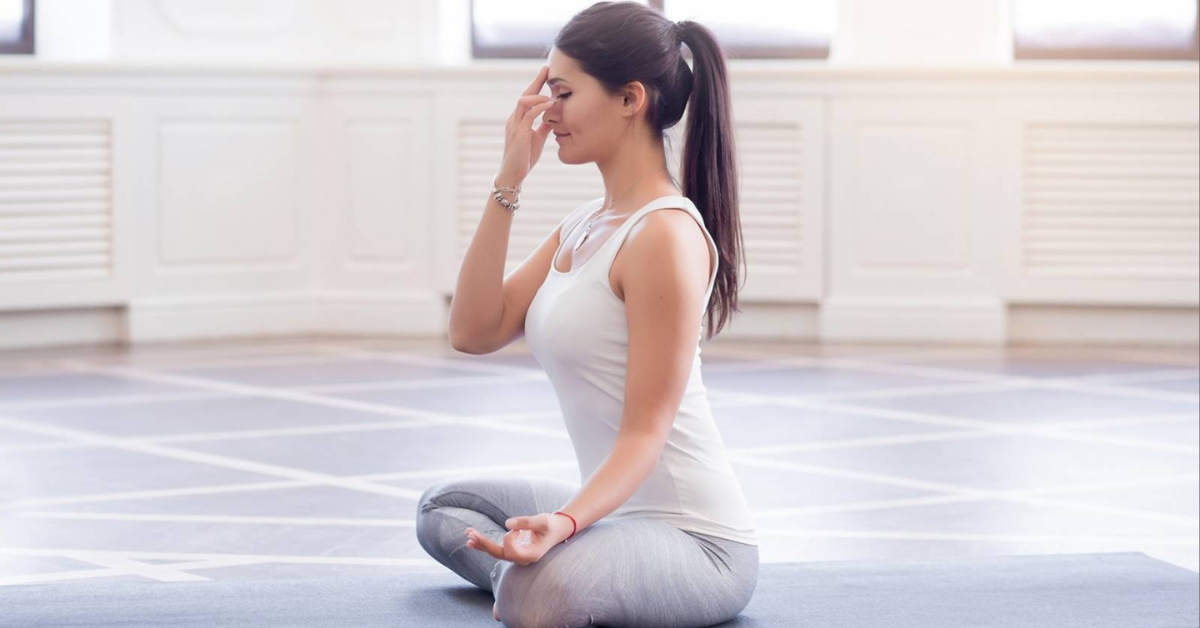
Using breathwork effectively requires consistency, focus, and a mindful approach. Simple strategies can help you achieve better results every session.
Tips:
- Practice breathwork daily to build a strong, calming habit.
- Pair exercises with meditation or mindfulness for a more profound relaxation experience.
- Start with short sessions and gradually increase the duration over time.
- Maintain proper posture to improve oxygen flow and effectiveness.
- Eliminate distractions to focus fully on your breathing patterns.
- Track progress to notice improvements and stay motivated.
Common Mistakes to Avoid During Breathwork
Many beginners make mistakes that reduce the effectiveness of breathwork. Such as:
- Holding your breath too long can cause discomfort and reduce relaxation.
- Breathing too quickly prevents the calming and clarity benefits.
- Practicing in a noisy or distracting environment limits focus.
- Poor posture can restrict airflow and decrease effectiveness.
- Rushing sessions or skipping regular practice reduces long-term results.
- Ignoring bodily sensations may lead to strain or tension.
Conclusion
Breathwork exercises provide a straightforward and effective way to achieve instant calm and mental clarity. By practicing regularly, you can reduce stress, improve focus, and enhance emotional balance. Incorporating techniques like box breathing or deep belly breathing into daily routines strengthens resilience against anxiety.
With mindful practice, anyone can experience the transformative benefits of breathwork, creating a calmer, clearer, and more centered mind in everyday life.