
Yoga breathing exercises can help calm the mind and reduce emotional tension in daily life, backed by scientific research. In a study, participants practicing yoga breathing showed significant reductions in stress, anxiety, and depression compared with controls after regular sessions. These 5 yoga breathing exercises offer simple, effective techniques anyone can try to relieve stress and support overall mental well‑being. Keep reading to learn more.
What Is Yoga Breathing?
Yoga breathing refers to the intentional control of breath, often called pranayama in traditional yoga practice. Pranayama involves regulating inhalation, breath retention, and exhalation to balance the body and calm the mind. This practice improves awareness of your breathing and encourages slower, deeper breaths that support the nervous system’s relaxation response. Types of breathing yoga poses include alternate nostril, three‑part, and ocean breaths, each offering distinct benefits for stress reduction and mental focus.
5 Yoga Breathing Exercises for Stress Relief
Practicing these 5 yoga breathing exercises can effectively reduce stress and anxiety. These yoga breathing techniques and types of breathing yoga improve focus, calm the mind, and promote emotional balance.
1. Box Breathing (Square Breath)
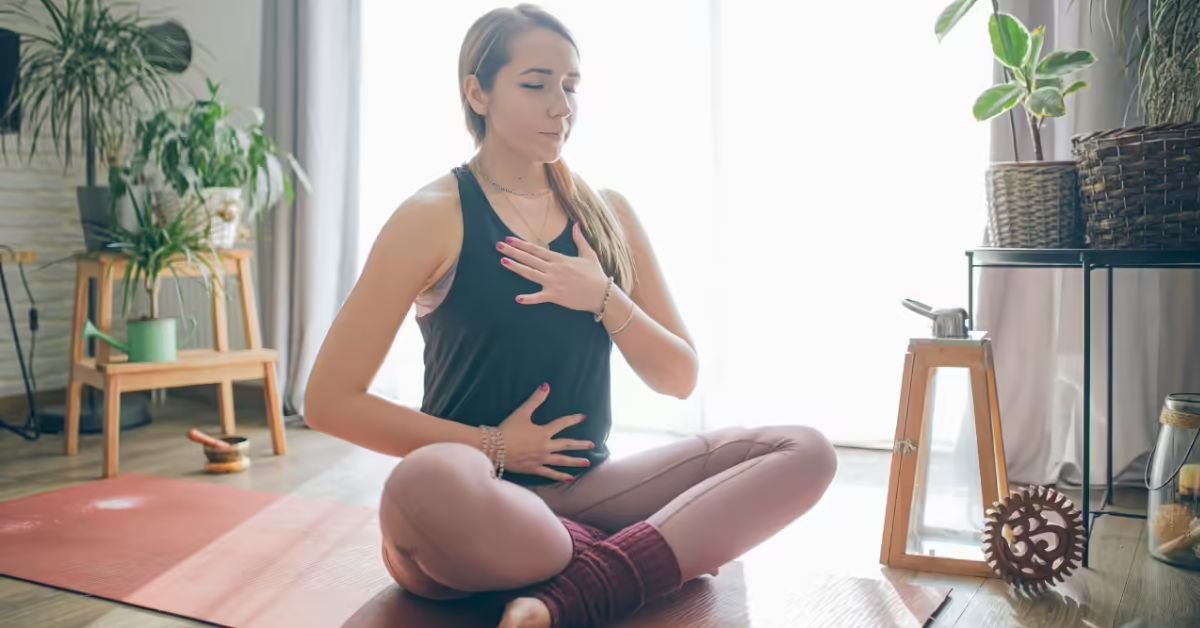
Box Breathing is a highly effective yoga breathing technique that helps reduce stress, anxiety, and mental fatigue. Practicing this method regularly can improve focus, increase calmness, and enhance emotional stability.
It promotes balanced oxygen flow, triggers the body’s relaxation response, and is ideal for both beginners and experienced practitioners seeking quick stress relief at any time of day. How to do box breathing:
- Sit comfortably with your back straight and shoulders relaxed.
- Inhale slowly through your nose for four counts, filling your lungs completely.
- Hold your breath gently for four counts, keeping your body relaxed.
- Exhale slowly for 4 counts, fully emptying your lungs.
- Pause for four counts before repeating the cycle.
- Repeat the process for 3–5 minutes daily for best results.
2. Alternate Nostril Breathing (Nadi Shodhana)
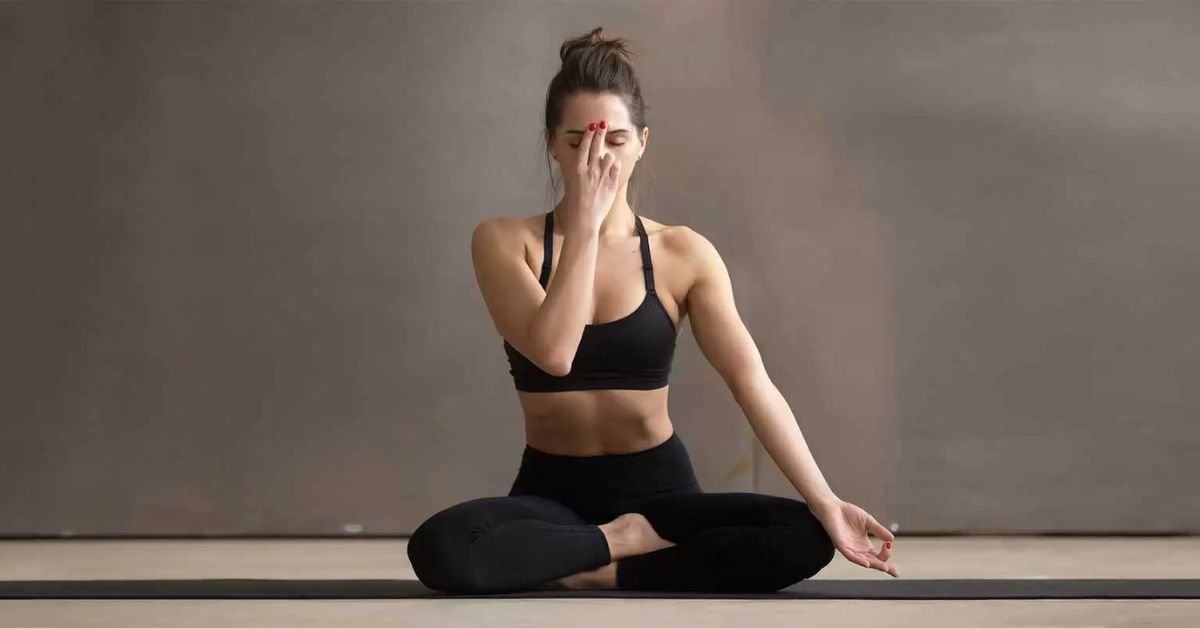
Alternate Nostril Breathing is a calming yoga breathing technique that balances the left and right hemispheres of the brain. Practicing this method regularly reduces stress, lowers anxiety, improves focus, and enhances overall mental clarity.
It supports the nervous system, promotes relaxation, and can be especially helpful before meditation, work, or sleep. This technique is gentle and suitable for beginners and advanced practitioners alike. How to do Alternate Nostril Breathing:
- Sit comfortably with your spine straight and shoulders relaxed.
- Use your right thumb to gently close your right nostril.
- Inhale slowly through your left nostril for four counts.
- Close your left nostril with your ring finger and release the right nostril.
- Exhale slowly through your right nostril for four counts.
- Inhale through your right nostril for four counts.
- Close your right nostril and exhale through the left nostril for four counts.
- Repeat this cycle for 5–10 minutes daily for optimal stress relief.
3. Ujjayi Breath (Victorious Breath)
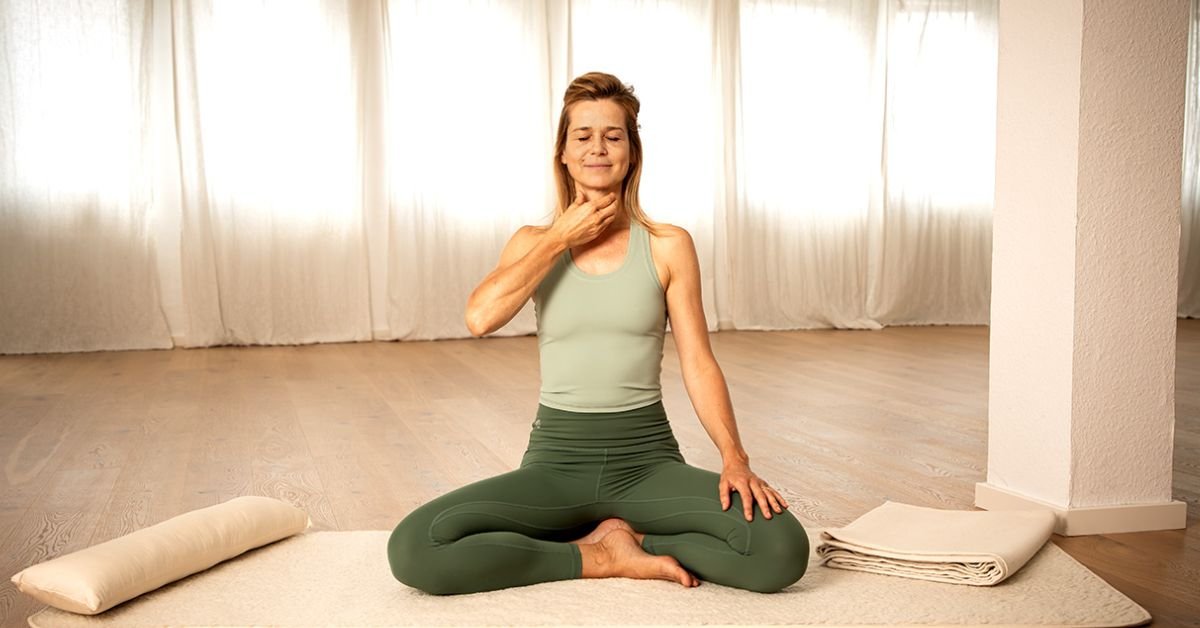
Ujjayi Breath is a soothing yoga breathing technique that enhances focus, reduces tension, and promotes mental clarity. Practicing it regularly increases oxygen flow, calms the nervous system, and supports mindfulness.
This technique also deepens the breath, helping regulate emotions and improve concentration during yoga practice, meditation, or daily activities. Ujjayi Breath is especially effective for relieving stress and creating a sense of inner calm. How to do Ujjayi Breath:
- Sit comfortably with a straight spine and relaxed shoulders.
- Inhale slowly through your nose, slightly constricting the back of your throat.
- Exhale gently through your nose, maintaining the same throat constriction.
- Create a soft, ocean-like sound with each inhale and exhale.
- Keep your breath smooth, steady, and controlled throughout the practice.
- Practice for 5–10 minutes daily to improve relaxation and mental focus.
4. Bhramari Pranayama (Bee Breath)
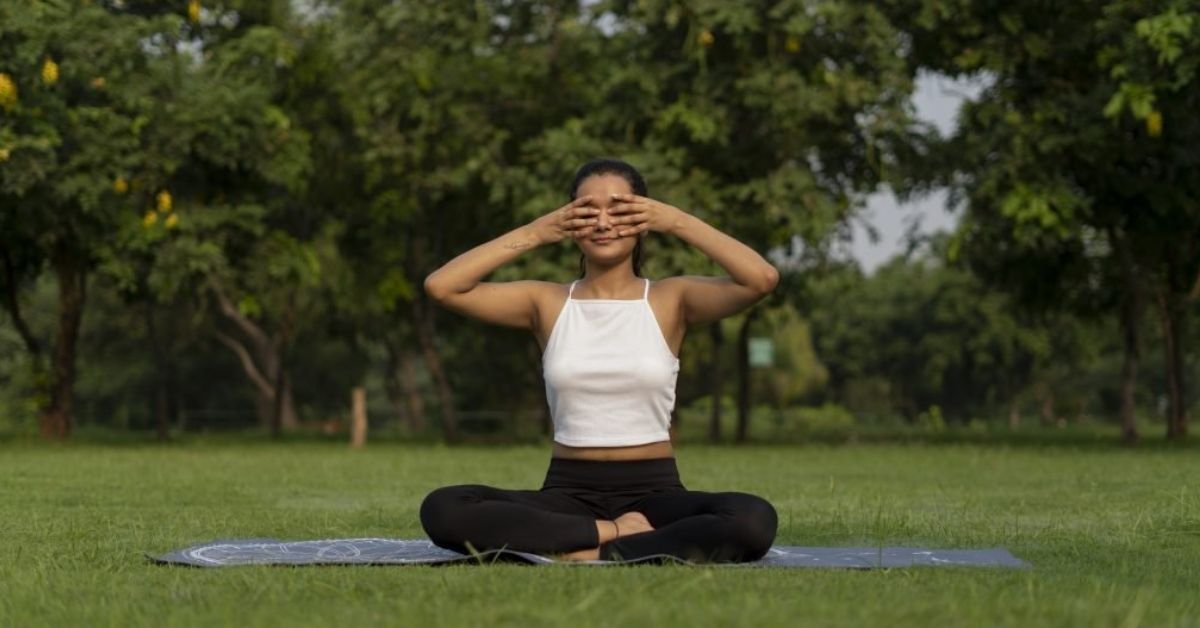
Bhramari Pranayama is a calming yoga breathing technique that reduces stress, anxiety, and mental fatigue quickly. Practicing it stimulates the vagus nerve, promotes relaxation, and enhances emotional stability.
The humming sound produced during this exercise soothes the nervous system, helps release tension, and improves focus and mindfulness. Bhramari is gentle, safe for beginners, and especially effective during high-stress moments or before sleep. How to do Bhramari Pranayama:
- Sit comfortably with a straight spine and relaxed shoulders.
- Close your eyes and gently press your index fingers on your ears.
- Inhale slowly through your nose, filling your lungs completely.
- Exhale while making a soft humming sound like a bee.
- Focus on the vibration created in your head and chest.
- Repeat this process for 5–10 minutes daily to calm the mind.
5. Deep Diaphragmatic Breathing
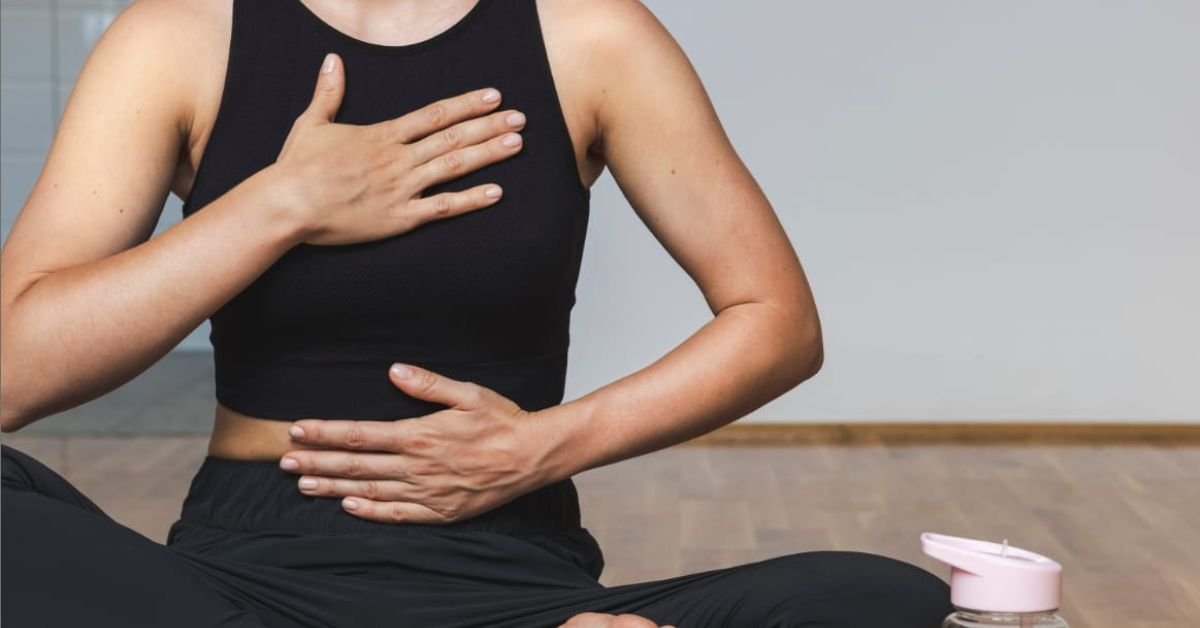
Deep Diaphragmatic Breathing is a powerful yoga breathing technique that reduces stress, lowers blood pressure, and enhances mental clarity. Practicing this method regularly strengthens the diaphragm, improves oxygen flow, and activates the body’s relaxation response.
It encourages slower, fuller breaths that release tension, calm the mind, and support overall emotional balance. This technique is ideal for beginners and anyone seeking effective stress relief throughout the day. How to do deep Diaphragmatic Breathing:
- Sit or lie down comfortably with a straight spine and relaxed shoulders.
- Place one hand on your chest and the other on your belly.
- Inhale deeply through your nose, allowing your belly to rise while keeping your chest still.
- Exhale slowly through your nose, letting your belly fall completely.
- Focus on maintaining a smooth, steady rhythm with each breath.
- Repeat this process for 5–10 minutes daily to promote calmness and relaxation.
Tips for Best Results with Yoga Breathing
To maximize the benefits of yoga breathing, consistent practice and mindful techniques are essential. Performing these exercises in a calm, quiet environment enhances relaxation and mental focus.
Proper posture, gentle attention to your breath, and regular practice can significantly reduce stress and improve overall emotional well-being. Incorporating these tips ensures that yoga breathing exercises deliver optimal results for both beginners and experienced practitioners. Tips to enhance your practice:
- Practice yoga breathing exercises daily, ideally at the same time, to establish a routine.
- Sit in a quiet, comfortable space free from distractions for better focus.
- Maintain a straight spine and relaxed shoulders to allow full lung expansion.
- Close your eyes to increase mindfulness and deepen the relaxation response.
- Use slow, controlled breaths and avoid forcing or straining your inhalation or exhalation.
- Start with 5 minutes daily and gradually increase to 10–15 minutes as you progress.
FAQs
1. How long should I practice these yoga breathing exercises daily?
For optimal stress relief, start with 5–10 minutes daily and gradually increase to 15–20 minutes. Consistency helps the nervous system adapt and improves mental clarity, focus, and overall relaxation over time.
2. Can these yoga breathing techniques help with anxiety and sleep?
Yes, regular practice of yoga breathing exercises like Bhramari or Box Breathing can naturally calm the nervous system, reduce anxiety, and improve sleep quality without medication.
3. Are these types of breathing yoga suitable for beginners?
Absolutely. All five exercises are gentle, safe, and easy to learn. Beginners should focus on proper technique, slow breathing, and short sessions, gradually increasing duration as comfort and confidence improve.
4. Can I practice yoga breathing anywhere?
Yes, these exercises can be performed at home, in the office, or even outdoors. A quiet space is ideal, but even a few minutes during stressful moments can help calm the mind and restore focus.
5. Do I need to combine these exercises with yoga poses?
No, these breathing exercises are effective on their own. However, combining them with yoga postures or meditation can further enhance relaxation, flexibility, and overall mental and physical well-being.
Read More: Restorative Yoga for Healing: A Comprehensive Guide
Conclusion
Practicing these 5 yoga breathing exercises regularly can significantly reduce stress, calm the mind, and improve focus. Incorporating simple yoga breathing techniques into your daily routine supports emotional balance, enhances relaxation, and promotes overall well-being. Start with a few minutes each day and experience the lasting benefits of mindful breathing for a calmer, more centred life.